
Home Staging Mistakes to Avoid When Selling Your Portland Home
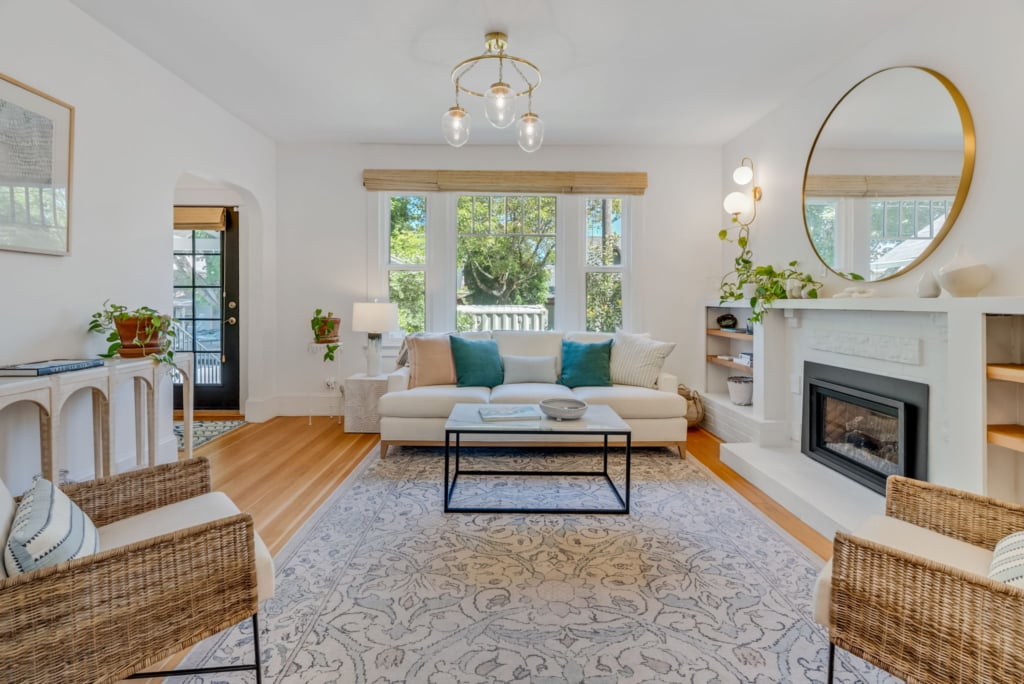
Home staging can help buyers understand a property, appreciate its best features, and imagine what living there might feel like. Done well, staging creates an inviting first impression and helps a home stand out in listing photos, online searches, and in-person showings.
Done poorly, however, it can make rooms feel smaller, distract buyers from the home itself, or leave prospective buyers wondering how much work the property needs.
The good news is that effective home staging does not necessarily require renting an entire houseful of furniture or completing an expensive makeover. In many cases, the most valuable improvements involve editing what is already there: removing clutter, arranging furniture strategically, completing minor repairs, improving lighting, and creating a clean, cohesive presentation.
If you are preparing to sell a home in Portland, Oregon, start by avoiding these common home staging mistakes.
What Is Home Staging?
 Home staging is the process of preparing a property for the real estate market so it appeals to the broadest practical range of prospective buyers. It can include decluttering, cleaning, rearranging furniture, introducing neutral décor, improving lighting, and emphasizing the home’s most attractive features.
Staging is different from decorating. Decorating is personal—it reflects the preferences and lifestyle of the person who lives in the home. Staging is strategic. Its purpose is to help buyers quickly recognize a room’s function, understand its dimensions, and picture how they might use it.
That distinction is especially important when marketing a home online. Buyers often encounter a property for the first time through listing photographs. If those images appear dark, cluttered, or confusing, buyers may move on before scheduling a showing.
Why Home Staging Matters When Selling a Home
Most buyers do not evaluate a home as an empty collection of rooms. They experience its light, proportions, flow, condition, and atmosphere.
Thoughtful staging can help:
- Make rooms appear more spacious and functional
- Define areas with an unclear purpose
- Draw attention to architectural details
- Improve the quality of listing photographs
- Create a more consistent experience from room to room
- Help buyers imagine themselves living in the home
- Reduce distractions that may compete with the property’s best features
Staging cannot change a home’s location, lot size, or fundamental condition. It also cannot compensate for an unrealistic asking price. It can, however, help buyers see the property more clearly—and that can be an important part of an effective marketing strategy.
1. Overpersonalizing the Home
One of the most common home staging mistakes is leaving too many highly personal items on display.
Family photographs, children’s names on bedroom walls, collections, awards, political material, religious items, and especially distinctive artwork can draw attention away from the property. Instead of studying the room, buyers may find themselves looking at the people who live there.
A staged home does not need to feel empty or impersonal. A few books, plants, textiles, and carefully selected decorative pieces can make a room feel warm and welcoming. The goal is simply to create enough visual space for buyers to imagine adding their own belongings and personality.
Before listing, consider storing:
- Most family photographs
- Personal documents and calendars
- Children’s school information
- Valuable or sentimental collections
- Highly specific hobby equipment
- Excessive refrigerator magnets and artwork
- Anything that reveals private information
Personal items should also be removed for security and privacy. Listing photographs may remain online long after a property is sold, so it is wise to look closely at everything visible in each room before professional photography begins.
2. Confusing Neutral With Boring
 Sellers are often advised to neutralize a home before listing it, but neutral does not have to mean colorless or sterile.
The objective is to reduce features that may overwhelm a room or limit its appeal. A bright accent wall, highly themed bedroom, or collection of competing patterns may prevent buyers from noticing the home’s natural light, flooring, built-ins, or layout.
Soft, cohesive colors generally photograph well and allow architectural features to take the lead. Warm whites, muted greens, soft grays, light taupes, and natural materials can create a calm background without making a house feel generic.
Color can still be introduced through:
- Pillows and throws
- Plants and flowers
- Artwork
- Rugs
- Towels
- Small decorative objects
Before repainting every room, talk with your real estate agent. Some colors may look stronger in person than they do in photographs, while others may complement the home’s era and architecture. A historic Portland Craftsman, for example, does not need to look like a newly constructed condominium. The staging should broaden the home’s appeal without erasing its character.
3. Leaving Too Much Clutter
Clutter can make a home feel smaller, busier, and more difficult to maintain. It also forces buyers to work harder to understand what they are seeing.
Start with surfaces. Kitchen countertops, bathroom vanities, dining tables, desks, nightstands, and fireplace mantels should be edited carefully. You do not need to remove every object, but each item should feel intentional.
In the kitchen, leave out only a few attractive essentials. Small appliances, drying racks, cleaning products, vitamins, mail, and excess cookware can usually be stored.
In bathrooms, put away medications, toothbrushes, grooming products, cleaning supplies, and personal towels. A clean hand towel, simple soap dispenser, and small plant may be enough.
Decluttering is not the same as hiding everything in drawers and closets. Buyers often open cabinets, pantries, and built-in storage. A rushed cleanup that transfers clutter from one location to another can create a new problem.
4. Using Too Much Furniture
More furniture does not make a room feel more complete. In fact, excess furniture is one of the fastest ways to make a home feel cramped.
Large sectionals, oversized chairs, extra dressers, multiple side tables, and furniture that blocks windows or walkways can interfere with the natural flow of a room. Buyers need to be able to move comfortably and understand the room’s scale.
When preparing to sell, ask:
- Is there a clear path through the room?
- Does any furniture block a window, doorway, or architectural feature?
- Can buyers tell what the room is intended for?
- Does the arrangement make conversation and movement feel natural?
- Does the furniture fit the scale of the room?
Removing just one or two pieces may dramatically improve the space. This is particularly useful in many older Portland homes, where rooms may be well proportioned but more defined than the open layouts found in newer construction.
A smaller amount of appropriately scaled furniture can make those rooms feel intentional rather than confined.
5. Removing All the Furniture
Too much furniture is a problem, but removing everything is not always the answer.
Vacant rooms can be surprisingly difficult to understand. Without furnishings, buyers may struggle to judge whether a bedroom accommodates a queen-size bed, where a dining table belongs, or how an awkward corner might be used.
Empty rooms may also appear smaller in photographs because there are no familiar objects to provide a sense of scale.
A vacant property does not always require full staging. Depending on the home, it may be enough to stage a few priority spaces, such as:
- The living room
- The dining area
- The primary bedroom
- An unusually shaped room
- A home office or flexible bonus space
Your agent and stager can help determine whether physical staging, partial staging, or another presentation strategy makes the most sense for the property and budget.
6. Ignoring Curb Appeal
Home staging begins before buyers enter the house.
 Overgrown landscaping, peeling paint, dirty siding, mossy walkways, overflowing gutters, faded house numbers, and an untidy porch can shape a buyer’s opinion before the showing begins.
Portland’s climate presents a few additional considerations. Moss, algae, fallen needles, wet leaves, and winter debris can accumulate gradually, making homeowners less likely to notice them. Before listing, walk across the street and look at the property as though you were seeing it for the first time. Taking a photograph can make neglected areas easier to identify.
Useful exterior improvements may include:
- Trimming shrubs away from windows and walkways
- Pulling weeds and adding fresh mulch
- Cleaning the porch and front steps
- Washing exterior windows
- Removing cobwebs
- Cleaning or repainting the front door
- Updating worn house numbers
- Adding a clean doormat
- Placing a simple planter near the entrance
- Moving garbage and recycling containers out of view
The entrance deserves particular attention. Buyers may spend a minute or two at the front door while their agent accesses the lockbox. Give them something pleasant and well-maintained to see during that time.
7. Neglecting Repairs and Maintenance
Staging should never be used to disguise a maintenance problem.
A beautiful rug will not prevent buyers from noticing damaged flooring. Decorative towels will not distract from a leaking faucet. Fresh flowers will not compensate for peeling paint, loose hardware, or a door that will not close properly.
Small defects can take on greater importance during a showing because buyers may interpret them as signs that larger maintenance issues have also been ignored.
Before investing heavily in decorative staging, address visible problems such as:
- Dripping faucets
- Loose cabinet hardware
- Sticking doors
- Burned-out bulbs
- Damaged switch plates
- Chipped or peeling paint
- Missing caulk or grout
- Torn window screens
- Loose railings
- Cracked tiles
- Unfinished repair projects
Not every imperfection must be corrected before selling. The right priorities will depend on the home’s condition, price range, likely buyer, and overall marketing plan. Ask your real estate agent which repairs are most likely to affect buyer perception and which projects may not justify the expense.
8. Overlooking Lighting
Poor lighting can make even a clean, attractive room feel gloomy.
 Start by maximizing natural light. Wash the windows, open blinds, pull back heavy curtains, and remove objects that block the glass. If landscaping has grown directly in front of a window, strategic trimming may brighten the interior without sacrificing privacy.
Then evaluate artificial lighting. Replace burned-out bulbs and make sure fixtures in the same room produce a reasonably consistent color of light. A mixture of warm yellow, cool white, and blue-toned bulbs can look especially uneven in listing photographs.
Rooms typically benefit from multiple light sources. In addition to overhead fixtures, consider table lamps, floor lamps, under-cabinet lighting, or bedside lamps where appropriate.
This can be particularly valuable when selling a Portland home during the cloudier months. A deliberate lighting plan helps the property feel comfortable and inviting even when the weather is not cooperating.
9. Neglecting Closets and Storage Areas
Buyers care about storage, and an overfilled closet can make available space seem inadequate.
Do not attempt to prove how much a closet can hold. Instead, demonstrate how comfortably it can function. Remove off-season clothing, unused linens, excess shoes, and miscellaneous stored items. Organize what remains so the floor is visible and hangers are not packed tightly together.
Apply the same principle to:
- Kitchen cabinets
- Pantries
- Bathroom storage
- Built-in shelving
- Garages
- Basements
- Laundry areas
- Utility rooms
A garage does not need to be decorated, but buyers should be able to understand its dimensions and intended use. If boxes fill the perimeter, it may be difficult to determine whether vehicles, bicycles, tools, or recreational equipment will fit.
Consider renting off-site storage if necessary, but avoid spending money automatically. Sometimes donating, recycling, or packing items early is enough to create the needed space.
10. Ignoring Odors
Scent is closely connected to memory and emotion, and unpleasant odors can quickly undermine an otherwise positive showing.
Common sources include pets, litter boxes, smoke, cooking, garbage disposals, damp basements, dirty carpets, mildew, and heavily used upholstery. Homeowners may become accustomed to familiar smells, so ask a trusted person or your real estate agent for an honest assessment.
The solution is to address the source, not cover it with fragrance. Strong plug-ins, sprays, candles, and artificial scents can be overwhelming. They may also cause buyers to wonder what the fragrance is intended to conceal.
Before a showing:
- Empty garbage containers
- Clean pet areas
- Wash pet bedding
- Avoid cooking foods with lingering odors
- Ventilate the home when weather permits
- Clean carpets and upholstery if needed
- Investigate persistent musty smells
- Keep laundry and damp towels under control
A home that smells clean and neutral is generally more appealing than one filled with an obvious artificial fragrance.
11. Forgetting to Give Every Room a Purpose
Buyers should not have to solve a room during a showing.
 A spare room used for storage, exercise, crafts, laundry, and remote work all at once can be difficult to understand. Similarly, an unusual landing or finished basement may seem less valuable if buyers cannot envision a practical use for it.
Choose one clear purpose for each space. That may mean staging a room as a bedroom, office, den, workout area, or playroom. The best choice depends on the property and the buyers most likely to consider it.
Flexibility can still be communicated through listing remarks and marketing. Visually, however, a clear primary function helps buyers understand the space quickly.
Be careful not to misrepresent nonconforming areas. A room that does not meet the applicable requirements for a legal bedroom should not be marketed as one simply because a bed has been placed inside it.
12. Creating Inconsistent Décor
A home does not need to follow a single design trend, but abrupt changes in style and color can make the property feel fragmented.
Try to establish a visual connection between adjoining rooms. Repeating a few colors, materials, or textures can make the home feel more cohesive. This does not mean buying matching furniture for every room. Often, consistency can be created with simple adjustments to bedding, pillows, towels, rugs, or artwork.
Cohesion is especially useful in listing photography, where buyers may scroll through the entire home in a matter of seconds. A consistent presentation helps the photo sequence feel like one property rather than a collection of unrelated spaces.
13. Staging for Everyday Life and Photography
A room can look comfortable in person yet appear cluttered or unbalanced through a camera lens.
 Professional real estate photography may use wide angles and perspectives that reveal more of a room than someone notices during daily life. Cords, pet bowls, wastebaskets, tissue boxes, remote controls, floor mats, and countertop appliances can become surprisingly prominent in photographs.
Before the photographer arrives, complete a separate photo-readiness walkthrough. Look at each room from the doorway and take phone photos from several angles. The camera often reveals distractions that the eye has learned to overlook.
Remember that photographs may generate a buyer’s first impression of the home. Staging for photography should be part of the overall listing preparation—not an afterthought completed while the photographer is waiting.
14. Overspending on Staging
Staging is an investment, but it should be guided by a strategy.
It is easy to spend money on new furniture, décor, paint, landscaping, and repairs without first deciding which changes are most likely to improve the home’s presentation. Not every room requires equal attention, and not every staging expense will produce a meaningful return.
High-priority areas often include the exterior entrance, living room, kitchen, dining area, primary bedroom, and main bathroom. The exact priorities will vary according to the property.
Before purchasing anything, ask:
- Can the existing furniture be rearranged?
- Can an item be borrowed, rented, or moved from another room?
- Will this improvement be noticeable in listing photos?
- Does it address a genuine weakness?
- Is the expense appropriate for the home’s likely price range?
- Would the money be more useful for cleaning, repairs, or landscaping?
A knowledgeable listing agent can help you focus on improvements that support the broader pricing and marketing strategy.
15. Waiting Too Long to Ask for Professional Advice
One of the costliest home staging mistakes is completing major projects before consulting the professionals helping you sell.
A seller may repaint rooms unnecessarily, remove a feature buyers would value, purchase furniture that does not photograph well, or spend heavily on improvements that are unlikely to influence the sale.
Ideally, invite your real estate agent to tour the home before you begin preparing it for the market. Early guidance allows you to create a prioritized plan, establish a budget, and decide whether a professional home stager should also be involved.
A professional stager can offer an objective view of the property and recommend changes related to furniture placement, scale, color, accessories, and room function. Some homes benefit from a full staging installation, while others need only a consultation and careful editing of the seller’s existing belongings.
Frequently Asked Questions About Home Staging
Does staging help a home sell?
Staging can improve how buyers experience a home and how the property appears in listing photographs. Its effectiveness depends on the home, market conditions, pricing, condition, and quality of the overall marketing strategy. Staging is most valuable when it helps buyers understand the space and recognize its strongest features.
Should I stage my home if I still live there?
Yes. Owner-occupied homes can be staged using existing furniture and belongings. The process usually involves decluttering, depersonalizing, rearranging furniture, improving lighting, and adding or removing a limited number of decorative items.
Is it better to sell a home vacant or staged?
There is no universal answer. Some homes show well when vacant, while others benefit from furniture that demonstrates scale and function. Partial staging of important or confusing spaces may offer a practical middle ground.
 What rooms are most important to stage?
The living room, kitchen, dining area, primary bedroom, and main bathroom often deserve the most attention. However, a home’s most distinctive or difficult-to-understand spaces may also be staging priorities.
Do I need to paint before selling?
Not always. Repainting may be helpful when walls are damaged, colors are highly specific, or rooms appear dark in photographs. If the existing paint is clean, cohesive, and in good condition, it may not need to be changed.
How much should I spend on home staging?
The appropriate budget depends on the property, its condition, the expected price range, whether it is occupied, and the amount of furniture required. Consult your real estate agent before committing to significant expenses so the staging plan supports the likely return.
Can staging compensate for an outdated home?
Staging can help an older or dated home feel clean, cared for, and functional, but it should not attempt to conceal its condition. Sometimes emphasizing original character is more effective than trying to make every property look newly constructed.
A Quick Home Staging Checklist
Before your home is photographed or shown to buyers:
- Remove excess furniture and décor
- Pack most personal photographs and collections
- Clear countertops and tabletops
- Organize closets, cabinets, and the pantry
- Complete visible minor repairs
- Replace burned-out bulbs
- Clean windows and open window coverings
- Deep-clean kitchens and bathrooms
- Address pet, smoke, food, and moisture odors
- Give each room one recognizable purpose
- Improve the front porch and landscaping
- Remove valuables and private information
- Hide cords, garbage cans, pet supplies, and cleaning products
- Prepare outdoor living areas
- Take test photographs to identify distractions
- Ask your agent for a final walkthrough before photography
Prepare Your Portland Home for a Successful Sale
Effective home staging is not about making a home look perfect or pretending no one lives there. It is about presenting the property clearly, thoughtfully, and attractively so buyers can focus on what matters: the home’s space, condition, character, and potential.
A successful staging plan should also reflect the property itself. A Portland bungalow, midcentury home, a contemporary condo, and historic Craftsman should not all be presented in exactly the same way. The strongest approach preserves what makes the home distinctive while removing the distractions that can prevent buyers from appreciating it.
Paris Group Realty, LLC helps Portland-area homeowners determine which repairs, improvements, and staging decisions are worth making before a property reaches the market. Our team can help you prioritize the work, coordinate the home’s presentation, and create a marketing strategy designed around the property and current buyer expectations.
Have questions about staging or selling your Portland home? Contact Paris Group Realty, LLC at info@parisgrouprealty.com or (503) 926-5213. We would be happy to help you develop a practical plan for your next move.