How Landscaping Can Increase Your Home’s Value
Finding the Right Balance Between Hardscape and Softscape
When most homeowners think about increasing their property’s value, they often picture kitchen remodels, bathroom renovations, or replacing an aging roof. While those improvements certainly matter, one of the first things buyers notice has nothing to do with the house’s interior.
It starts the moment they pull up to the curb.
Long before a prospective buyer steps through the front door, they’re already forming opinions about the home based on what they see outside. Is the yard inviting? Does the property look well cared for? Can they imagine themselves relaxing on the patio, gardening on a sunny afternoon, or enjoying a quiet evening around a fire pit?
Thoughtful landscaping helps answer all of those questions before a buyer ever walks inside.
A well-designed landscape doesn’t have to be elaborate or expensive. In fact, the best yards are often those that strike the right balance between structure and nature. Professional landscapers refer to these two elements as hardscape and softscape, and understanding how they work together is one of the best ways to improve both your home’s curb appeal and its market value.
Whether you’re planning to sell your home in the Portland Metro Area or simply want to enjoy your outdoor space more, thoughtful landscape design is an investment that can pay dividends for years to come.
Does Landscaping Increase Home Value?
The short answer is yes.
Well-planned landscaping can increase a home’s value by improving curb appeal, creating functional outdoor living spaces, and giving buyers confidence that the property has been well maintained. While every home and neighborhood is different, landscaping consistently ranks among the exterior improvements that offer one of the strongest returns on investment.
More importantly, landscaping influences something that’s difficult to measure but incredibly important in real estate: emotional connection.
Buyers don’t just purchase square footage. They purchase a lifestyle.
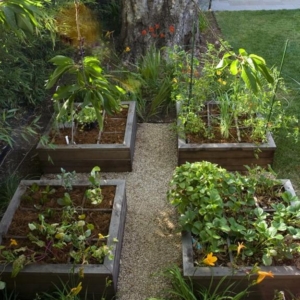 A welcoming front yard, colorful garden beds, mature trees, and inviting outdoor gathering spaces help buyers imagine themselves living there. That emotional response often begins within seconds of arriving at the property.
Today’s buyers also spend significant time viewing homes online before scheduling a showing. High-quality listing photography captures landscaping just as much as it captures kitchens and living rooms. A beautiful exterior encourages more clicks, more showings, and ultimately more opportunities to receive strong offers.
Why First Impressions Matter More Than Ever
Real estate professionals often talk about “curb appeal,” but it’s much more than simply having a nice lawn. Curb appeal is the overall impression your property creates from the street. It communicates whether a home feels:
- Welcoming
- Well maintained
- Move-in ready
- Relaxing
- Loved
In Portland, where beautiful gardens, mature trees, and thoughtfully designed outdoor spaces are common, landscaping can become one of the defining characteristics of a property. Even modest homes often stand out because of carefully maintained yards.
On the other hand, overgrown shrubs, patchy lawns, cracked walkways, or neglected planting beds can unintentionally suggest deferred maintenance—even if the inside of the home has been beautifully updated.
That’s why landscaping should be viewed as part of your home’s overall presentation rather than a separate project.
Understanding Hardscape vs. Softscape
One of the easiest ways to think about landscape design is to divide it into two categories: Hardscape and Softscape. Finding the right balance between these two elements creates outdoor spaces that are both functional and beautiful.
What Is Hardscape?
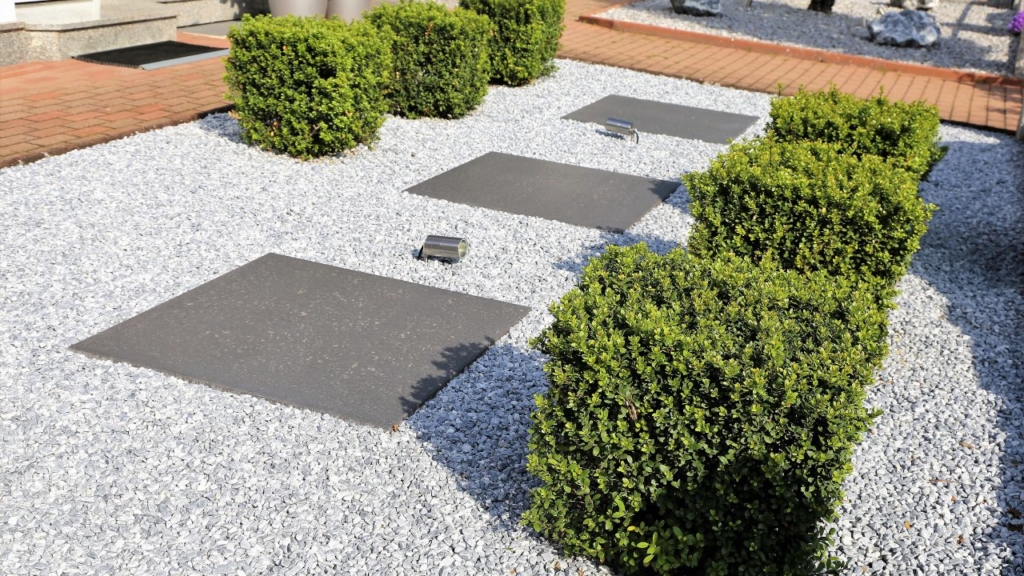
Hardscape refers to all of the permanent, man-made features that provide structure to your landscape.
Examples include:
- Driveways
- Walkways
- Patios
- Decks
- Retaining walls
- Paver pathways
- Stone walls
- Brick accents
- Outdoor stairs
- Fire pits
- Water features
- Pergolas
- Fencing
- Landscape lighting
- Decorative rock
Think of hardscape as the framework of your outdoor space. These are the elements that define how people move through the yard, where they gather, and how different areas are organized.
Because hardscape is relatively permanent and often represents the largest investment, it’s usually best to establish these features before adding extensive landscaping.
Changing the location of a patio after planting an entire garden is much more difficult than planting around an already completed patio.
What Is Softscape?
Softscape includes the living, growing portions of your landscape. These elements bring color, texture, movement, and seasonal interest.
 Examples include:
- Trees
- Shrubs
- Lawn
- Flowers
- Native plants
- Ornamental grasses
- Vegetable gardens
- Ground covers
- Perennials
- Annual flowers
- Hanging baskets
- Container gardens
- Hedges
Unlike hardscape, softscape evolves over time. Plants mature. Trees grow. Flowers bloom. Gardens change throughout the seasons.
This flexibility allows homeowners to refresh and update their landscape gradually without making major structural changes.
Why Balance Is So Important
One of the biggest landscaping mistakes homeowners make is focusing too heavily on either hardscape or softscape.
Too much hardscape can leave a yard feeling cold and sterile. Large expanses of concrete or pavers without greenery may look clean, but they often lack warmth and character.
Conversely, too much softscape can feel overwhelming. Dense shrubs, oversized trees, or gardens that have outgrown their space can make a property appear cluttered or difficult to maintain.
The most appealing landscapes create balance. Walkways lead naturally through lush planting beds. Patios are softened with shrubs and ornamental grasses. Stone retaining walls complement colorful flowers. Trees provide shade without hiding the home’s architecture.
Every element has a purpose, so the result feels intentional rather than accidental.
Start with Hardscape, Then Build Around It
One of the smartest pieces of landscape planning advice is to begin with hardscape. Why?
Because hardscape determines how you’ll actually use the space. Before choosing flowers or planting trees, think about questions like:
- Where will people walk?
- Where will guests gather?
- Is there enough seating?
- Does the yard need better drainage?
- Should there be multiple outdoor living areas?
Once those structural elements are established, softscape becomes much easier to design. Plants can then soften edges, frame views, provide privacy, and introduce seasonal color.
This approach also makes future landscaping projects easier because the foundational layout is already complete.
Landscaping Ideas for Every Budget
Improving your landscape doesn’t require a massive renovation. Many homeowners are surprised by how much difference relatively small projects can make. Don’t worry, we have some ideas for you!
Under $500
Simple updates can dramatically freshen a yard. For example:
- Fresh bark mulch
- Seasonal flowers
- Pressure washing walkways
- New house numbers
- Decorative planters
- Fresh edging
- Pruning shrubs
- Lawn fertilization
- Replacing worn welcome mats
These projects often create an immediate visual improvement.
$500–$2,500
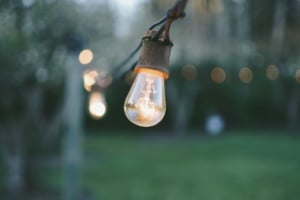 A slightly larger budget opens the door to more substantial improvements. Ideas include:
- Installing landscape lighting
- Planting ornamental trees
- Creating defined planting beds
- Building a small paver walkway
- Refreshing irrigation
- Adding larger shrubs
- Installing decorative borders
These upgrades begin shaping the overall character of the property.
Larger Landscape Investments
If you’re planning a more comprehensive transformation, consider projects that improve both function and lifestyle. Examples include:
- New patios
- Composite decks
- Outdoor kitchens
- Retaining walls
- Fire pit areas
- Pergolas
- Extensive irrigation systems
- Complete landscape redesigns
While these projects require greater investment, they can significantly enhance everyday enjoyment while increasing buyer appeal.
Landscaping Ideas for Small Yards
Limited square footage doesn’t mean limited possibilities. Smaller outdoor spaces often benefit from thoughtful design even more than larger properties.
Consider:
- Vertical gardens
- Hanging baskets
- Container gardens
- Built-in benches
- Decorative trellises
- Layered plantings
- Narrow pathways
- Compact ornamental trees
Rather than trying to fit everything into one area, focus on creating one beautiful focal point. Quality almost always wins over quantity.
Landscaping Ideas for Larger Properties
Larger lots offer opportunities to create multiple outdoor destinations. Instead of treating the yard as one large open space, consider dividing it into functional “rooms.”
 Examples include:
- Outdoor dining areas
- Fire pit gathering spaces
- Garden paths
- Vegetable gardens
- Children’s play areas
- Pollinator gardens
- Quiet reading nooks
- Entertainment patios
Defining these areas with pathways, pavers, or changes in landscaping creates a much more intentional design.
Landscaping for Portland’s Climate
The Pacific Northwest offers tremendous opportunities for beautiful landscaping, but successful design also means working with the local climate. Portland homeowners often benefit from choosing plants that thrive through wet winters and dry summers.
Native and drought-tolerant plants can reduce maintenance while supporting local pollinators and wildlife.
Other regional considerations include:
- Proper drainage
- Managing moss in shaded areas
- Preserving mature trees whenever possible
- Mulching to retain summer moisture
- Choosing evergreen shrubs for year-round structure
A landscape that complements Portland’s climate often requires less maintenance while remaining attractive throughout the year.
Landscaping Mistakes That Can Hurt Home Value
Not every landscaping project improves resale value. Some actually make it harder for buyers to appreciate the property.
Common mistakes may include:
Overgrown Landscaping
Shrubs covering windows or walkways make homes feel smaller and darker.
Ignoring Maintenance
Dead plants, weeds, and patchy lawns immediately reduce curb appeal.
Too Many Garden Ornaments
A few decorative accents can be charming. Too many can distract from the home’s architecture.
Poor Drainage
Standing water, erosion, or soggy planting beds raise concerns about larger property issues.
Blocking the Home
Large bushes or trees hiding the front entrance make homes feel less welcoming.
Excessive Concrete
Too much hardscape without greenery can create an industrial appearance. The goal should always be balance.
Preparing Your Landscape Before Listing
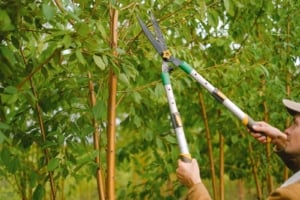 If you’re planning to sell your home, you don’t necessarily need a complete landscape makeover. Instead, focus on making everything look healthy, maintained, and intentional.
A simple pre-listing checklist includes:
- Mow and edge the lawn
- Remove weeds
- Prune shrubs
- Add fresh mulch
- Plant seasonal flowers
- Pressure wash patios and walkways
- Clean outdoor furniture
- Repair damaged fencing
- Wash exterior light fixtures
- Remove yard clutter
- Trim low tree branches
- Clean gutters
These relatively simple improvements can dramatically improve listing photos and buyers’ first impressions.
Frequently Asked Questions
Does landscaping really increase home value?
Yes. Well-designed landscaping improves curb appeal, enhances outdoor living spaces, and helps buyers perceive the home as well-maintained. While returns vary, thoughtful landscaping is consistently considered one of the best exterior investments.
What landscaping adds the most value?
Projects that improve functionality and appearance tend to provide the greatest value, including patios, walkways, healthy lawns, mature trees, attractive planting beds, landscape lighting, and well-maintained gardens.
Should I landscape before selling my home?
Absolutely. You don’t need an expensive redesign, but cleaning up planting beds, refreshing mulch, trimming shrubs, and improving curb appeal can significantly strengthen a home’s presentation.
Is hardscape or softscape more important?
Neither is more important on its own. The most attractive landscapes combine structural hardscape with lush, well-maintained softscape to create outdoor spaces that feel balanced and inviting.
How much should I spend on landscaping before listing?
It depends on your home’s condition and your local market. Many sellers see meaningful improvements from relatively modest investments focused on cleanup, maintenance, and curb appeal rather than major renovations.
Great Landscaping Is About More Than Plants
The best landscapes don’t happen by accident. They’re thoughtfully planned, carefully maintained, and designed around the way people actually live.
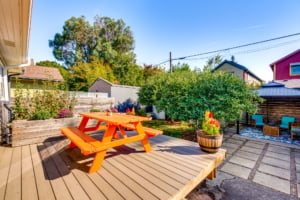 Whether you’re creating a welcoming front entrance, adding an inviting backyard patio, or simply refreshing planting beds before listing your home, every improvement contributes to the overall experience buyers have when they visit your property.
The key isn’t having the biggest yard or the most elaborate garden. It’s creating an outdoor space that feels intentional, balanced, and welcoming.
If you’re thinking about selling your home and aren’t sure where to invest your time or budget, the team at Paris Group Realty, LLC can help. We regularly advise homeowners on which improvements are most likely to make an impact in today’s Portland market, helping sellers focus on the projects that deliver the greatest return.
Whether you’re preparing to list next month or simply planning ahead, we’d be happy to walk your property and help you prioritize improvements that showcase your home at its very best.
Have more questions or want professional advice on buying or selling a home?
Contact us at info@parisgrouprealty.com or (503) 926-5213.
We’re here to address all your real estate needs!