Home Maintenance for New Home Owners
Guest post by Don Lewis, Ability Labs
You don’t get a manual with your mortgage. One minute you’re holding a ring of keys, the next you’re staring down a blinking panel in your basement wondering if that hum is normal. First-time homeownership doesn’t just shift your mailing address—it rewires your attention. The best way to hold onto that wide-eyed “this is mine” feeling is to take care of what’s behind the walls, under the floorboards, and outside the siding. Maintenance isn’t about checking boxes. It’s about learning the beat of your home before something breaks the rhythm. Below, you’ll find the seven places to start listening.
Rooflines, Runoff, and Moisture Deflection
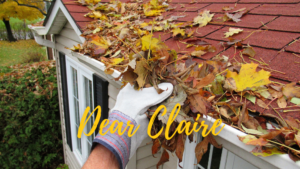
Your home’s exterior deals with relentless exposure—rain, snow, leaves, temperature shifts. A few weeks into fall, or right after a spring thaw, take a walk around the perimeter and clean and inspect gutters. Look for clogs, sagging sections, or signs that water isn’t flowing away from your foundation. Overflow can lead to rot, mold, or silent structural damage. It’s not glamorous work, but it’s foundational. A ladder and a hose beat a cracked slab and a flooded basement every time.
Air Systems and Filter Discipline
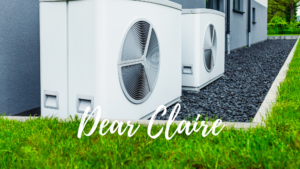
The hiss of the vent may sound reassuring, but airflow hides a hundred quiet failures. Once you’re settled in, get in the habit of changing air filters regularly—usually every 30 to 90 days, depending on usage. Dirty filters reduce efficiency, wear out your system, and degrade the air you breathe. If you’ve got pets, allergies, or your HVAC runs nonstop, shorten the interval. It’s a minor action with major downstream effects—less energy waste, better health, longer equipment life.
Knowing Your Water Heater’s Pressure Points
Hot showers, dish cycles, clean laundry—all of them depend on one unassuming appliance. After move-in, take a few minutes to locate your water heater and understand its type, age, and condition. Even if it’s working fine now, learning about the types of water heater replacement parts helps you stay one step ahead. Thermostats, pressure valves, anode rods—many can be swapped long before the unit fails. Pay attention before it rusts, not after it leaks.
Pipes, Pressure, and Sneaky Leaks
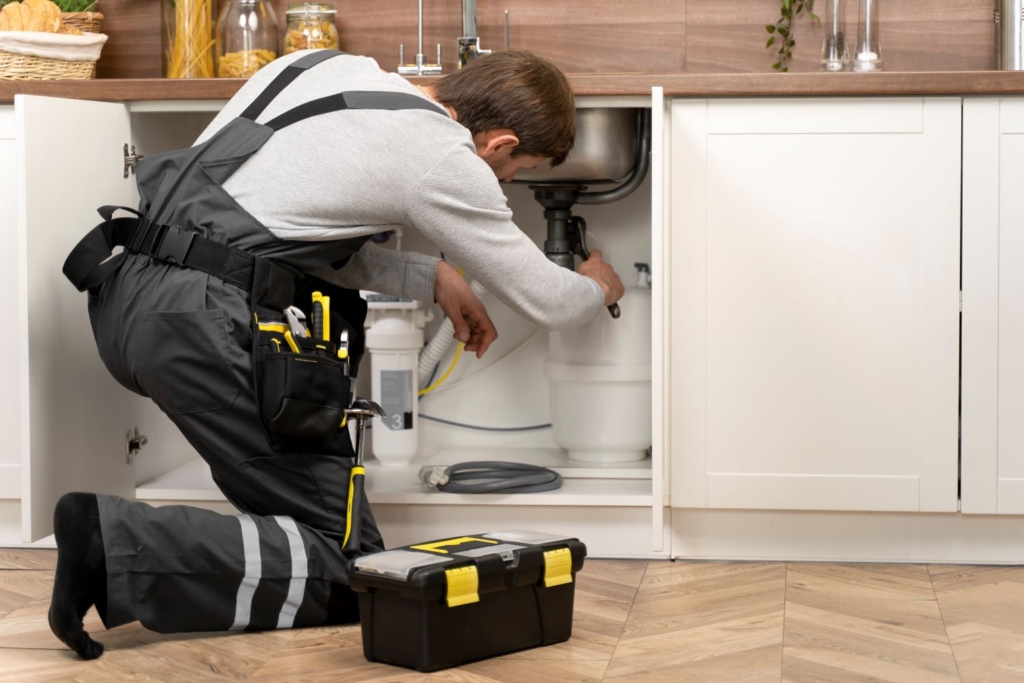
Leaks rarely introduce themselves loudly. You may not notice that soft wall stain or musty cabinet smell until damage is well underway. Instead of waiting for disaster, follow a few basic plumbing maintenance tips early in your ownership. Know where your main shutoff valve is. Check under every sink. Listen when you flush. The sooner you treat your plumbing like a system instead of a mystery, the easier it becomes to keep it silent, reliable, and out of your budget’s emergency column.
Electrical Work and Boundaries of DIY
Outlet doesn’t work? Breaker keeps tripping? It’s tempting to grab a screwdriver and figure it out. But home electrical systems are precise, loaded with risk, and full of hidden context. Hire an electrician when safety is uncertain. Professional eyes can spot overloads, outdated wiring, or poor grounding before they cause harm. Some parts of your home reward self-sufficiency. Others demand you pick up the phone: this is one of them.
Shifts in Season, Shifts in Risk
You don’t need a blizzard to know when winter’s coming. Drafts sneak in weeks before the thermostat catches up. As the temperature begins to drop, winterize outdoor faucets before first frost. A split hose bib can ruin a basement in one night. While you’re at it, check weatherstripping, attic insulation, and storm windows. Each small prep step you take in the fall is a silent win in February. Cold doesn’t care if you forgot. Ice doesn’t negotiate.
Appliances and Mechanical Memory
Machines don’t demand attention until they’re already screaming. That’s why your furnace, fridge, water softener, and HVAC units need a yearly check-in. Don’t wait for clanging, blinking lights, or odd smells. Instead, set a reminder to inspect furnace and HVAC components thoroughly every fall. Look for dirty coils, clogged drain lines, or unusual noise patterns. When systems are caught early, they’re repaired quickly. When ignored, they escalate fast and expensively.
Homeownership sharpens your senses. You’ll catch things: that faint hum behind the wall, the way the furnace starts slower than last month, the smell of damp wood in a place that should be dry. That’s not anxiety—it’s fluency. You’re learning the language of upkeep. You’re not memorizing instructions; you’re feeling the pulse. Maintenance becomes less of a burden and more of a quiet kind of control. You’re the steward now. And if you keep listening, your house will tell you everything you need to know—just in time.
Discover your dream home with Paris Group Realty and explore the vibrant neighborhoods of Portland with our expert guidance!