Winter Home Maintenance
How to Protect Your Home, Your Comfort, and Your Investment
Winter in the Pacific Northwest doesn’t usually arrive with deep snowbanks or weeks of subfreezing temperatures—but that doesn’t mean it’s gentle on our homes. In fact, Portland’s combination of steady rain, fluctuating temperatures, damp air, moss growth, and the occasional snow or ice event can be especially hard on residential properties.
For homeowners, winter is about comfort and prevention. For landlords, it’s about risk management and habitability. For sellers, it’s about protecting value and avoiding surprises during inspections. No matter your situation, seasonal maintenance is less about reacting to emergencies and more about preventing them before they start.
A few thoughtful steps now can save thousands of dollars later, reduce stress, and help your home stay safe, efficient, and market-ready all season long.
Why Winter Home Maintenance Is So Important in the Portland Area
Winter is when small issues can quietly turn into expensive problems. A tiny gap in weather stripping becomes a noticeable spike in heating bills. A clogged gutter turns into water backing up under the roofline. An unprotected hose bib freezes and bursts, sending water into walls or crawlspaces before anyone notices.
In the Portland metro area, winter maintenance also carries added responsibility. Sidewalks adjacent to your property are considered the homeowner’s responsibility during snow and ice events. If someone slips and falls because snow or ice wasn’t cleared, liability rests with the homeowner—not the city.
For rental properties, winter issues are one of the most common causes of emergency maintenance calls and insurance claims. For sellers, deferred winter maintenance often shows up in inspection reports and can delay or complicate a sale. Staying ahead of these items protects both your property and your timeline.
Winter Safety Maintenance: Entryways, Walkways, and Liability
Safety should always come first, and winter conditions make exterior walkways and entrances one of the most overlooked risk areas.
- Rake and compost fallen leaves regularly. Wet leaves become slippery quickly, especially on concrete, wood steps, and walkways. Left unchecked, they also clog drains and accelerate surface wear.
- Inspect entry stairs, porches, and railings. Look for loose boards, soft wood, cracked concrete, or wobbly railings. These issues become significantly more dangerous in wet or icy conditions and should be repaired before winter storms arrive.
- Check outdoor lighting throughout the property. Shorter days mean more people arriving home after dark. Replace burnt-out bulbs, clean fixtures, and ensure motion lights and pathway lighting are working properly.
- Shovel snow and add traction as needed. In Portland, homeowners are responsible for clearing sidewalks in front of their property. Having a shovel and environmentally safe de-icer on hand before the first storm makes compliance much easier.
Exterior Winter Home Maintenance: Protecting Against Moisture and Cold
Your home’s exterior is its first line of defense against winter weather. A thorough walkthrough at the beginning of the season can help prevent water intrusion, energy loss, and long-term damage.
- Seal cracks in siding, walls, and foundations. Even hairline cracks allow moisture to enter during prolonged rain. Use appropriate exterior sealants and consult a professional for larger foundation concerns.
- Inspect and replace weather stripping around doors and windows. If you can feel cold air entering, heated air is escaping just as easily. Proper sealing improves comfort and reduces energy costs.
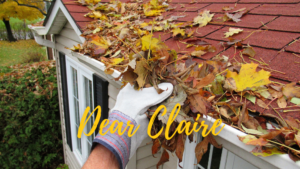
- Clean gutters and downspouts completely. Overflowing gutters can lead to roof damage, water intrusion, and foundation issues—especially during heavy rain.
- Disconnect and insulate hose bibs. Remove hoses and allow water to drain from the faucet. Insulate using a frost-proof cover or a securely wrapped towel. If the faucet does not clearly say “frost proof,” assume it needs insulation.
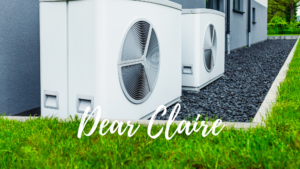
- Cover air conditioning units if recommended by the manufacturer. This helps protect the unit from debris while still allowing airflow where needed.
- Protect or store outdoor furniture and seasonal tools. Excess moisture shortens their lifespan and can create drainage issues around the home.
- Remove and clean window screens. Storing screens during winter extends their life and allows more natural light into the home during darker months.
Interior Winter Home Maintenance: Comfort, Efficiency, and Fire Safety
Interior winter maintenance focuses on heat retention, fire safety, and plumbing protection—three areas that become critical as temperatures drop.
- Add interior entry mats to protect flooring. Mats trap water, dirt, and grit before they damage hardwood floors, tile, or carpet.
- Replace batteries in smoke and carbon monoxide detectors. Also, if your alarms are more than 10 years old, it’s time to replace them! Winter means more heater use, fireplaces, and sealed windows, making working detectors essential.
- Have fireplaces and chimneys inspected and cleaned. Creosote buildup is a serious fire hazard, and inspections should happen before regular winter use.
- Check attic insulation and ventilation. Heat rises, and poor insulation allows it to escape quickly. Proper insulation improves comfort, lowers energy bills, and reduces condensation problems.
- Inspect caulking around windows and doors. Re-caulk areas where gaps or cracking appear to prevent drafts and moisture intrusion.
- Insulate exposed pipes near exterior walls, windows, and unheated spaces. Pipe insulation is inexpensive and helps prevent freezing during cold snaps.
- Reverse ceiling fans to rotate clockwise. This pushes warm air down into living spaces rather than trapping it at the ceiling.
- Keep the thermostat set to at least 55 degrees when away. Turning heat off entirely—even for short trips—can lead to frozen pipes.
Servicing Your Heating System Before Winter Sets In
One of the most important—and most frequently skipped—winter tasks is servicing your heat source.
- Whether your home uses a gas furnace, oil furnace, heat pump, or electric wall heaters, annual maintenance improves efficiency, safety, and reliability.
- Cadet heaters typically need a thorough vacuuming to remove dust buildup.
- Furnaces should be professionally cleaned and adjusted so fuel burns efficiently. A typical service costs around $150 and just might pay for itself through lower energy bills and fewer emergency repairs.
- For landlords, documented servicing also helps demonstrate responsible property management. For sellers, a recently serviced system is a strong inspection and buyer-confidence point.
Preventing Frozen Pipes: Small Steps, Big Impact
Frozen pipes are one of the most expensive winter emergencies—and one of the easiest to prevent.
- Disconnect and drain exterior hoses.
- Insulate hose bibs using frost-proof covers or secured cloth insulation.
- Open cabinet doors under sinks during especially cold nights to allow warm air circulation.
- If you’re unsure whether your exterior faucets are frost-proof, assume they are not and insulate them.
- These simple steps can prevent extensive water damage and costly repairs.
Finish With a Winter Walk-Around
Before winter fully sets in, do a slow walk-around of your home. Look at the roofline, gutters, foundation, and areas where water collects. Trust your instincts—if something looks off, it’s worth addressing now.
If tackling this list feels overwhelming, we’re always happy to connect you with trusted local professionals who can help with inspections, servicing, and repairs.
Quick Winter Home Maintenance Checklist
Safety
– Rake leaves from walkways
– Inspect stairs and railings
– Check outdoor lighting
– Clear sidewalks and add traction when needed
Exterior
– Seal cracks in siding and foundation
– Replace weather stripping
– Clean gutters and downspouts
– Disconnect and insulate hose bibs
– Store outdoor furniture and tools
– Remove and store window screens
Interior
– Add entry mats
– Replace smoke and CO detector batteries
– Inspect and clean fireplace
– Check attic insulation
– Re-caulk windows and doors
– Insulate exposed pipes
– Reverse ceiling fans
– Keep thermostat at 55° or higher when away
Looking Ahead
Winter maintenance isn’t just about getting through the season—it’s about protecting your home long-term. Homes that are consistently maintained retain value, perform better, and cost less to own over time.
If you have questions about winterizing your home, preparing a property for sale, or managing a rental through the colder months, reach out anytime. And be sure to visit the Paris Group Realty YouTube channel for a collection of maintenance videos and additional homeowner resources. And, of course, you can always get in touch.
Stay warm, stay dry, and take care!