
Dear Claire: Should I Tackle Home Projects Myself or Hire a Pro?
Dear Claire, My list of home projects seems to get longer every weekend. Some friends tell me I can learn just about anything on YouTube, while others say it’s worth paying a professional to do it right the first time. I’m handy enough to paint a room or build a raised garden bed, but bigger projects make me nervous. How do I know when it makes sense to do something myself and when I should call in an expert?
This is one of my favorite questions because (you’re gonna love this!) it doesn’t really have a right or wrong answer. Every homeowner has a different skill set, a different budget, and a different comfort level. Some people genuinely enjoy spending their weekends learning new skills, while others would much rather spend that time with family and leave the projects to someone who does them every day. Neither approach is incorrect. The key is understanding what you’re getting into before you start.
 One thing I absolutely love about homeownership is that it teaches you things you never expected to learn. I know plenty of people who bought their first house barely knowing how to use a cordless drill, and over the years, they’ve learned how to paint, build fences, install irrigation systems, and completely transform their yards. There’s a tremendous sense of pride that comes from standing back after finishing a project and saying, “I did that.”
At the same time, I’ve also watched homeowners take on projects that quickly became far more complicated and expensive than they expected. Those experiences can be frustrating, especially when what started as a weekend project stretches into several months. That’s why I usually encourage people to ask themselves two simple questions before they head to the hardware store.
The first is, “Am I willing to learn?” The second is, “Can I live with imperfection?”
That second question may actually be the more important one.
Nobody Does It Perfectly the First Time
One of the biggest misconceptions about DIY projects is that if you watch enough videos or read enough instructions, you’ll get the exact same results as a professional.
The reality is that professionals have one advantage none of us can replicate overnight: repetition.
A tile setter may have installed thousands of square feet of tile before walking into your house. A finish carpenter has likely hung hundreds of doors. A painter knows exactly how different paints behave in different temperatures because they’ve seen it all before.
When you’re doing something for the very first time, you’re learning while you’re working. That doesn’t mean you can’t produce great results, but it does mean your project probably won’t be flawless.
The question is whether that’s okay with you.
For me, some imperfections have actually become some of my favorite stories.
The Hardwood Floors That Still Make Me Smile
When I bought my very first house with my brother, we decided to save money by refinishing all the hardwood floors ourselves.
 We rented the giant floor sanders, loaded up on sandpaper, bought gallons of polyurethane, and figured we had everything under control. We had done our research, watched demonstrations, and felt pretty confident taking on this project.
Then we lowered the sander onto the floor for the first time.
If you’ve never used one of those machines, let me tell you—they’re much more powerful than they look.
Within seconds, we had carved a small divot into the hardwood before either of us realized just how quickly that machine could remove wood. We adjusted, learned, and the rest of the floors turned out beautifully, but those first few marks never disappeared.
To this day, I can still walk through that house and point directly to them.
Would anyone else notice?
Probably not.
Most people would walk right past without giving the floor a second thought. But I know exactly where those divots are because I remember the moment we made them. Instead of bothering me, they’ve become part of the story of that house and a reminder that every new skill comes with a learning curve.
Sometimes the Smallest Decision Has the Biggest Impact
Another lesson came during a kitchen remodel.
My mom was an interior designer, and she carefully laid out every cabinet for our new kitchen. Every measurement had a purpose. Everything was designed to feel balanced and functional.
When we went to order the cabinets, one of the exact sizes she had specified wasn’t available. The salesperson suggested substituting two smaller cabinets, and we looked at each other and thought, “What’s the difference? The overall width is the same.”
It seemed perfectly reasonable.
Until installation day.
As we started putting everything together, we realized that changing one cabinet had shifted the entire layout. The stove, which had originally been centered beneath the kitchen window, was now slightly off-center.
Would someone touring the house notice?
Honestly, probably not.
But I notice it every single time I walk into that kitchen.
That project taught me something I’ve carried with me ever since. Sometimes experienced professionals make decisions that seem unnecessary until you understand the bigger picture. There’s often a reason behind details that aren’t immediately obvious.
Gardening Is One of the Best DIY Classrooms
If you’re looking for projects that build confidence without carrying a lot of risk, I almost always recommend starting outside.
 Gardening is a perfect example because it’s forgiving. If you plant something that doesn’t thrive, you’ve learned something about your yard. Maybe the soil needs improvement. Maybe that particular plant wanted more shade or less water. Maybe it simply wasn’t the right choice for our Portland climate.
Unlike remodeling a bathroom or installing new flooring, very few gardening mistakes are permanent. You can move plants, amend your soil, divide perennials, and continue improving your landscape year after year.
In many ways, gardening teaches the same skills that make successful DIY homeowners. It encourages patience, observation, and a willingness to learn through experience. Those are qualities that translate well into bigger home improvement projects later on.
Some Projects Are Perfect for DIY
There are plenty of home improvement projects that most homeowners can successfully tackle with a little planning and patience.
Painting is one of my favorites because it can completely transform a room without requiring specialized knowledge. Fresh paint makes a home feel clean, updated, and well cared for, whether you’re staying for years or preparing to sell.
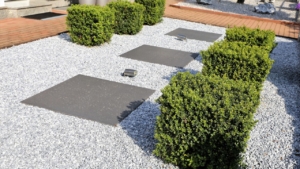
Landscaping is another great opportunity to roll up your sleeves. Spreading fresh mulch, trimming shrubs, planting flowers, pressure washing the patio, or building raised garden beds can dramatically improve curb appeal over a weekend.
Simple upgrades like replacing cabinet hardware, installing closet organizers, updating faucets, or refreshing caulk around tubs and sinks are also excellent beginner projects. They’re relatively inexpensive, they’re low risk, and they help homeowners become more comfortable working on their homes.
Then There Are the Projects I Usually Leave to the Professionals
As much as I appreciate learning new skills, there are some projects where I simply believe experience matters.
Electrical work falls into that category for me.
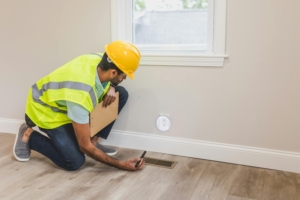 Personally, I don’t do my own electrical work. It’s not because it can’t be learned—many people safely perform electrical work every day—but because I know my own comfort level. Electricity isn’t something I’m interested in experimenting with.
The same generally goes for major plumbing work, roofing, structural modifications, and HVAC systems. These are projects where mistakes can become expensive very quickly, and in some cases, they can create safety concerns that aren’t immediately obvious.
If you’re installing a new water heater because your uncle has been a licensed plumber for thirty years and he’s teaching you along the way, that’s one thing.
If you’re hoping a twenty-minute video will replace years of experience, I’d probably encourage you to make a phone call instead.
What is the True Cost of the Project?
One thing I think homeowners sometimes overlook is the true cost of a DIY project.
It’s easy to compare the price of materials with a contractor’s estimate and assume you’re saving thousands of dollars. But that calculation often leaves out several important factors.
 You’ll probably need tools that you don’t already own. You’ll spend time researching, shopping, measuring, correcting mistakes, and cleaning up. If something goes wrong, you’ll either buy more materials or hire someone to fix it.
There’s also the value of your own time.
For some people, spending an entire weekend learning a new skill is incredibly rewarding. For others, that same weekend is worth far more than the money they save by doing the work themselves.
Neither answer is wrong. It’s simply important to consider the entire picture instead of focusing only on the initial price tag.
Think About Your Future Buyer
As a real estate agent, I can’t help but look at projects through another lens as well. I’m always thinking about how future buyers will experience the home.
Most buyers won’t notice beautifully installed tile because that’s exactly what they expect to see. But they’ll absolutely notice uneven grout lines, crooked trim, doors that don’t close properly, or cabinets that don’t align.
That’s especially true in kitchens and bathrooms, where buyers tend to pay close attention to craftsmanship.
If you’re taking on a cosmetic project simply for your own enjoyment, perfection may not matter very much. But if you’re investing in a renovation with resale in mind, quality workmanship becomes much more important.
Don’t Forget About Permits
Another consideration here in the Portland area is permitting.
Certain electrical, plumbing, structural, and remodeling projects require permits and inspections. While it can be tempting to skip that process, unpermitted work often becomes a topic of conversation when it’s time to sell.
Buyers ask questions.
Inspectors notice improvements.
Lenders occasionally request documentation.
Doing the work properly from the beginning usually saves everyone a great deal of stress later.
My Rule of Thumb
Over the years, I’ve developed a fairly simple rule.
If the project is cosmetic, low risk, and something you’ve always wanted to learn, I’d encourage you to give it a try. You might discover a hobby you genuinely enjoy, and you’ll probably gain confidence for the next project.
If the work affects your family’s safety, involves major mechanical systems, or has the potential to create expensive damage if something goes wrong, I think hiring a qualified professional is often money well spent.
Homeownership isn’t about proving you can do everything yourself. It’s about making smart decisions that help you enjoy your home while protecting one of your largest investments.
Frequently Asked Questions
What home improvement projects are good for beginners?
Painting, landscaping, pressure washing, installing shelving, replacing cabinet hardware, and building raised garden beds are all excellent projects for homeowners who are just getting started with DIY improvements.
Which home repairs should usually be left to professionals?
Electrical work, gas lines, structural repairs, roofing, HVAC systems, and major plumbing projects are generally best handled by licensed professionals because they involve safety concerns, building codes, and specialized knowledge.
 Can DIY renovations affect my home’s resale value?
Absolutely. Well-executed DIY improvements can enhance your home’s appeal, but poor workmanship can have the opposite effect. Buyers often notice uneven finishes, crooked installations, and shortcuts, particularly in kitchens and bathrooms.
How do I know if a project requires a permit?
Permit requirements vary depending on the type of work and where you live. Before beginning any major remodeling, plumbing, electrical, or structural project, check with your local building department to understand what’s required.
Is hiring a professional always more expensive?
Not necessarily. While the upfront cost is often higher, hiring a professional can prevent costly mistakes, reduce project delays, and result in higher-quality work that lasts longer and adds value to your home.
Final Thoughts
One of the things I love most about homeownership is that it gives us opportunities to learn. Every project teaches us something, whether it’s how to use a new tool, how our home was built, or simply where our own comfort level begins and ends.
Some of my favorite memories came from projects that didn’t go exactly according to plan. I still laugh about those hardwood floor divots and that slightly off-center stove because they’re reminders that I was willing to try something new. At the same time, I have absolutely no hesitation about calling a professional when I know the stakes are higher than the lesson is worth.
At the end of the day, there isn’t a prize for doing everything yourself, and there’s certainly no shame in asking for help. The best decision is the one that leaves you with a home that’s safe, functional, and enjoyable for years to come.
And if you’re looking for recommendations, I’m always happy to share my directory of trusted contractors and home service professionals. Having the right people on your team can make all the difference, whether you’re tackling a weekend project or planning a major renovation.
About Claire
Claire Paris is the Owner and Principal Broker of Paris Group Realty, LLC. She has been practicing real estate since 2004 and is licensed in both Oregon and Washington.
 If you have a real estate question you’d like me to answer in a future Dear Claire, we’d love to hear it. And if you’re thinking about buying, selling, or investing in real estate, our team is always here to help. Get in touch—we’d love to be part of your next chapter.
Looking for more real estate tips and advice? Be sure to subscribe to the Paris Group Realty, LLC YouTube channel, where you’ll find hundreds of videos covering everything from buying and selling a home to Portland neighborhoods, home maintenance, financing, market updates, investment properties, and answers to many of the most common real estate questions.