Dear Claire: What are Some Fall Maintenance Tips?
“Dear Claire, Fall always seems to arrive before I’m ready for it. What maintenance should I take care of now so my home is prepared for Portland’s rainy and colder months?”

Happy fall and pumpkin spice to all!
Even when early autumn afternoons still feel suspiciously like summer, the first signs of fall are a reminder that our long stretch of Portland rain is probably coming soon. The days will become shorter, the leaves will start dropping, and before we know it, we’ll be spending much more time inside with the heat running.
Fall home maintenance is really about prevention. A few hours spent looking after your house now may help you avoid clogged gutters, leaking roofs, frozen pipes, heating problems, water intrusion, and expensive emergency calls later in the season.
You do not have to complete every possible home project before the first rainy day. The goal is to identify the systems that will be working hardest during the fall and winter and make sure they are ready.
I like to begin outside while the weather is still relatively clear, then work my way indoors.
Start with a Walk Around Your Property
Before pulling out the tools or calling contractors, take a slow walk around your entire house. I mean a real inspection, not the kind where you glance at the siding while carrying groceries from the car. Fall is an excellent time to look carefully because there is still enough daylight to see what is happening, but the rainy season has not yet made every exterior project miserable.
 Look for anything that seems different from the previous year:
- Peeling or bubbling paint
- Cracked siding
- Gaps around windows and doors
- Loose trim
- Damaged roof shingles
- Moss or debris on the roof
- Water stains below gutters
- Foundation cracks
- Broken crawlspace vents
- Dead tree branches
- Soil sloping toward the house
You do not necessarily need to repair every small issue immediately. Write down what you find and determine which items should be handled before winter and which can be planned for spring.
Home maintenance becomes much less overwhelming when you treat it as an ongoing list rather than waiting until everything becomes an emergency.
Clean Your Gutters and Downspouts
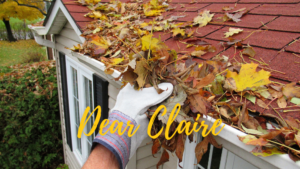
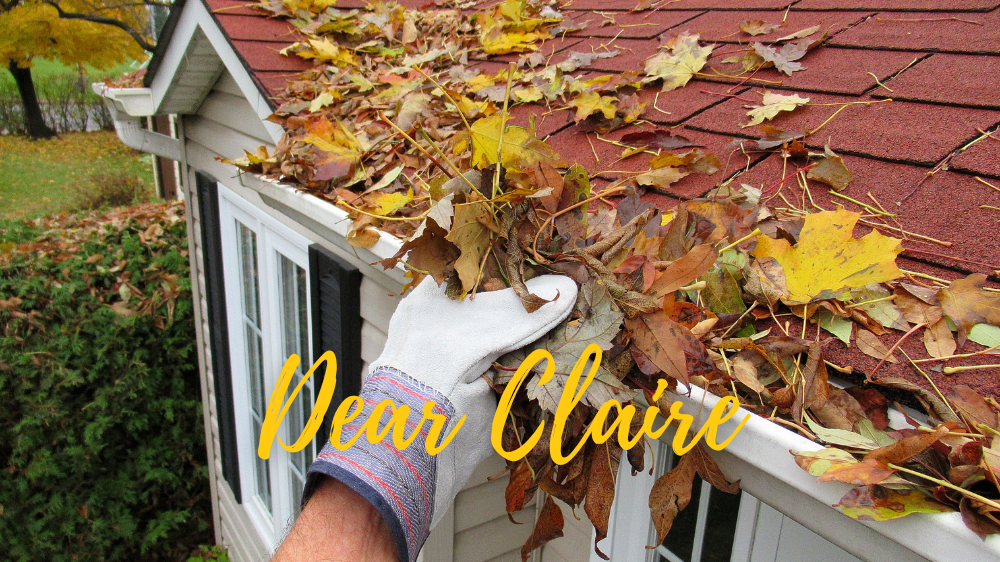
If I could convince Portland homeowners to do only one exterior task each fall, gutter cleaning would be high on my list. Our trees are beautiful, but leaves, moss, pine needles, and twigs can fill gutters surprisingly quickly. When gutters become clogged, rainwater cannot flow properly toward the downspouts. Instead, it may overflow against the roofline, siding, fascia boards, landscaping, or foundation.
Over time, that can contribute to:
- Roof leaks
- Rotted wood
- Damaged siding
- Water in the basement or crawlspace
- Foundation moisture
- Erosion around the home
 Clean the gutters and then flush the downspouts to make sure water moves freely. Also, check that the downspouts discharge somewhere appropriate. Ideally, water should move away from the foundation rather than pooling against the house.
If your home is surrounded by mature trees, one fall cleaning may not be enough. You may want to clean once during leaf season and again after most of the leaves have fallen. Gutter guards can reduce debris, but they do not eliminate maintenance. Gutters still need to be checked and cleaned.
Inspect the Roof Before the Heavy Rain
While you are thinking about gutters, look at the roof. You do not have to climb onto it. In fact, if the roof is steep, wet, high, or difficult to access, please leave that work to a professional. From the ground, look for:
- Missing shingles
- Curled or cracked roofing
- Loose flashing
- Moss buildup
- Damaged vents
- Debris collecting in valleys
- Tree branches touching the roof
 Small roof problems have a way of becoming large indoor problems during prolonged rain. Moss is particularly common in our climate. It can hold moisture against roofing materials and work its way underneath shingles. Moss treatment and removal should be done carefully because aggressive pressure washing may damage some roofing systems.
If you are not sure what condition your roof is in, fall is a smart time to schedule a professional inspection before roofers become overwhelmed with leak calls.
Have the Chimney and Fireplace Checked
There is nothing cozier than a fire on a cold Portland evening, but the fireplace and chimney need to be safe before you use them.
 If you regularly burn wood, have the chimney inspected and cleaned as appropriate for the amount and type of use. Creosote and other debris can accumulate inside the chimney, creating fire and ventilation hazards. The Oregon Health Authority recommends having wood stoves, chimneys, and vents regularly inspected and cleaned, and making sure wood-burning devices are properly vented.
An inspection may also identify:
- Damaged masonry
- A cracked chimney crown
- Missing chimney caps
- Deteriorated flashing
- Animal nests
- Problems with the flue or liner
If you use the fireplace only occasionally, you may not need a full cleaning every year. But an inspection can help determine whether cleaning or repairs are necessary. Do not forget the area around the fireplace or wood stove. The Oregon State Fire Marshal advises keeping anything that can burn at least three feet away from heating equipment.
Service the Furnace or Heating System
The first truly cold evening is not when you want to discover your furnace has stopped working. Before the heating season begins, turn the system on and make sure it operates normally. Listen for unusual noises. Notice whether warm air is reaching each room. Check the thermostat and replace its batteries if needed.
If the system is overdue for service, schedule a furnace, boiler, heat pump, mini-split, or radiant-heating inspection with an appropriate professional. Regular servicing can help identify worn components before they fail, support efficient operation, and extend the life of the equipment.
Contractors’ schedules fill quickly when the weather suddenly turns cold, so this is one project worth handling early.
Replace the Furnace Filter
Changing the furnace filter is one of the simplest maintenance tasks, but it is also one of the easiest to forget.
 A dirty filter makes it harder for air to move through the system. That may reduce efficiency, strain equipment, and contribute to poorer indoor air quality.
How often you should change the filter depends on:
- The type of filter
- The manufacturer’s instructions
- How often the system runs
- Whether you have pets
- Whether anyone smokes indoors
- Household dust and allergy concerns
Three months is a common general schedule for many filters, but check your owner’s manual for the manufacturer’s recommendation.
I like to buy several filters at once and write the replacement date directly on the filter frame. Then I already have the correct size available when it is time for the next change.
Seal Drafty Windows and Doors
We love our vintage homes in Portland, and older windows can be incredibly drafty. When cold air leaks around windows and doors, your heating system has to work harder to maintain a comfortable temperature. Check weatherstripping and caulk around:
- Window frames
- Exterior doors
- Door thresholds
- Utility penetrations
- Attic access doors
- Baseboards on exterior walls
For older windows, removable insulation film can be an inexpensive seasonal solution. These kits generally use clear plastic secured around the window frame and tightened with gentle heat. They are not as attractive or permanent as new windows, but they can make a noticeable difference in comfort (and your heating bill). Door sweeps can also help where exterior doors have visible gaps at the bottom.
Before investing in large upgrades, it may be worthwhile to explore current incentives for insulation, heating equipment, and other home-efficiency improvements. Energy Trust of Oregon periodically changes its residential offerings, so homeowners should check current eligibility and requirements before beginning work.
Protect Exterior Faucets and Plumbing
 Portland winters are generally moderate, but we do occasionally experience temperatures cold enough to freeze exposed pipes. Before the first freeze:
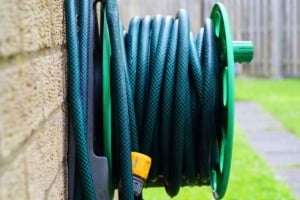
- Disconnect garden hoses
- Drain hoses before storing them
- Shut off and drain exterior faucet lines where possible
- Install insulated faucet covers
- Insulate exposed pipes in garages, basements, and crawlspaces
- Locate the main water shutoff valve
Some newer exterior faucets are frost-resistant, but they can still be vulnerable when hoses remain connected because trapped water may freeze.
Knowing the location of the main shutoff valve is especially important. If a pipe bursts, quickly stopping the water may prevent substantial damage.
If you leave town during cold weather, keep enough heat running to protect the plumbing. Opening cabinet doors below sinks on exterior walls may also help warm air circulate around vulnerable pipes.
Prepare the Lawn and Garden
Fall is not only the end of the gardening season. In many ways, it is preparation for spring. Portland’s upcoming rain can help newly planted grass become established, making early fall a good time to reseed thin lawn areas, depending on weather and site conditions. You can also:
- Aerate compacted soil
- Apply an appropriate fall fertilizer
- Rake or mulch leaves
- Add leaves to compost
- Plant spring bulbs
- Remove diseased plants
- Cut back selected perennials
- Add mulch to garden beds
- Trim vegetation away from siding
Do not feel obligated to remove every leaf from every planting bed. Leaves can provide useful habitat and organic material in appropriate areas. The goal is to keep heavy leaf buildup away from walkways, drains, roofs, and areas where it could trap unwanted moisture.
Late fall is also a wonderful time to plant many spring-flowering bulbs, including tulips and daffodils.
Inspect Trees and Branches
Before winter storms arrive, look at trees near the home, driveway, sidewalk, and power lines. Watch for:
- Dead branches
- Cracked limbs
- Trees leaning unexpectedly
- Roots lifting from the soil
- Branches rubbing against the roof
- Limbs hanging over structures
Tree work can be dangerous, particularly around power lines or large branches. Use a qualified tree professional rather than trying to manage high or heavy limbs yourself.
The goal is not to remove healthy trees. It is to reduce the likelihood that damaged limbs become a problem during wind, ice, or saturated-soil conditions.
Store Garden Tools and Outdoor Equipment
Do not leave garden tools lying outside all winter. Moisture can rust metal, damage wooden handles, and shorten the useful life of lawn and garden equipment. Before putting everything away for the season:
- Clean dirt from tools
- Dry metal surfaces
- Sharpen blades where appropriate
- Apply oil to prevent rust
- Drain fuel or follow equipment-storage instructions
- Store batteries according to the manufacturer’s guidance
- Cover or move patio furniture
- Secure lightweight outdoor objects
- Drain and store irrigation hoses and equipment
These tasks are not complicated, but future-you will be grateful when spring arrives, and everything is clean, dry, and ready to use.
Check Basements, Crawlspaces, and Attics
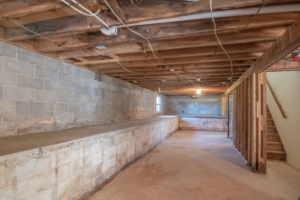 Fall rain often reveals moisture problems that were not obvious during the summer. Take a flashlight into the basement, crawlspace, and attic, and look for:
- Standing water
- Wet insulation
- Musty smells
- Mold-like growth
- Water stains
- Pest activity
- Damaged vents
- Daylight showing through the roof
- Disconnected ductwork
If you notice moisture, try to determine where it is coming from. A puddle in one corner of the basement might correspond with a clogged gutter or downspout directly outside. Wet crawlspace soil may point to drainage, grading, plumbing, or ventilation concerns.
Do not ignore repeated moisture simply because it dries out later. Water problems usually become more expensive when left unresolved.
Test Smoke and Carbon Monoxide Alarms
Seasonal maintenance is a natural reminder to test safety equipment. Press the test buttons on smoke and carbon monoxide alarms and replace batteries or devices according to the manufacturer’s instructions.
Oregon has specific alarm requirements that apply to homes being sold or rented, and the Oregon Health Authority advises that every home have carbon monoxide detection. Carbon monoxide is especially important during the heating season because homes are more tightly closed and fuel-burning appliances are used more frequently.
Also check:
- Fire extinguisher condition and expiration
- Emergency flashlights
- Spare batteries
- First-aid supplies
- Household emergency contacts
- Emergency food and water supplies
- Portable chargers
Review Your Emergency Plan
Fall and winter can bring windstorms, ice, power outages, and downed trees. Take a few minutes to make sure everyone in the household knows:
- Where emergency supplies are located
- How to shut off water
- How to shut off gas
- Where to meet after an emergency
- Which family member to contact
- How to care for pets
- Where flashlights and chargers are stored
Portland residents can also locate their nearest Basic Earthquake Emergency Communication Node, or BEECN. These are temporary emergency radio communication sites intended to operate after a major earthquake disrupts phone systems.
Clean and Organize Indoor Spaces
 As the weather changes, most of us naturally spend more time inside. A little fall cleaning can make the home feel much more comfortable. Consider:
- Cleaning behind appliances
- Vacuuming refrigerator coils, if recommended
- Cleaning dryer vents and lint areas
- Deep-cleaning carpets or rugs
- Rotating mattresses
- Washing blankets and winter bedding
- Organizing entryways for wet coats and shoes
- Checking closets for pests
- Donating unused cold-weather clothing
I also like to create a designated place for umbrellas, boots, rain jackets, dog towels, and muddy shoes. In Portland, that is not merely organization. It is survival.
Review Exterior Lighting
The days become noticeably shorter in fall, and good exterior lighting improves both safety and convenience. Check:
- Porch lights
- Walkway lighting
- Motion sensors
- Garage lights
- Address visibility
- Stair and railing illumination
Replace burned-out bulbs and clean dirty fixtures. Make sure walkways are even, railings are secure, and slick surfaces are addressed before months of rain make them more hazardous.
Schedule Professional Help Before the Rush
Fall is one of the busiest seasons for many home-service professionals. Roofers become busy when leaks begin. Heating companies become busy during the first cold week. Chimney sweeps book up before the holidays. Gutter companies become overwhelmed once the leaves fall. If you know you need help, get on the calendar early.
 Common fall services include:
- Furnace or heat-pump maintenance
- Roof inspections
- Gutter cleaning
- Chimney inspections
- Tree trimming
- Weatherization
- Insulation upgrades
- Crawlspace drainage work
- Pest inspections
What Should I Prioritize If I Cannot Do Everything?
Start with anything involving water, heat, fire safety, or freezing. My priority order would generally be:
- Clear gutters and drainage.
- Address active roof or siding leaks.
- Make sure the heating system works.
- Test smoke and carbon monoxide alarms.
- Protect exterior plumbing.
- Inspect the chimney before using it.
- Address dangerous trees or branches.
- Seal obvious drafts.
- Complete yard and storage tasks.
- Organize lower-priority projects for later.
The projects that prevent water damage, fire, freezing, or loss of heat should come first. As is often the way, the prettiest projects can wait.
Frequently Asked Questions About Fall Home Maintenance
When should I clean my gutters in Portland?
Clean them before the rainy season and again after the majority of leaves have fallen if your home is surrounded by trees. Some properties require multiple cleanings each fall.
How often should I change my furnace filter?
Follow the manufacturer’s instructions. Many common filters are changed every one to three months, depending on the filter, system use, household conditions, and pets.
Do I need to cover outdoor faucets?
It is a smart and inexpensive precaution for exposed faucets, especially on older homes. Disconnect hoses first so water is not trapped inside the fixture.
Should I clean my chimney every year?
The appropriate schedule depends on how frequently and what you burn. Regular inspection helps determine whether cleaning or repairs are needed before use.
Do I need a professional roof inspection?
Not every year, but a professional evaluation may be worthwhile if the roof is older, has visible damage, leaks, significant moss, or has not been inspected recently.
What emergency planning should Portland homeowners do?
Prepare for winter storms and larger regional hazards. Keep supplies, know utility shutoffs, have a communication plan, and learn the location and purpose of your nearest Portland BEECN.
My Final Thoughts
 Fall maintenance does not have to mean spending every weekend working on the house. Most of it is simply taking stock.
Walk around the property. Look at the roof. Clean the gutters. Turn on the heat. Check your windows. Protect the faucets. Test your alarms. Put away the garden tools.
The real value comes from noticing small problems while they are still manageable. Your home does not need to be perfect before winter. It just needs to be prepared.
A little attention now can help you stay warm, dry, safe, and comfortable when the rain settles in—and leave you with more time to enjoy the cozy parts of the season.
About Claire Paris
Claire Paris is the Owner and Principal Broker of Paris Group Realty, LLC. She has been practicing real estate since 2004 and is licensed in both Oregon and Washington.
If you have a real estate question you’d like me to answer in a future Dear Claire, we’d love to hear it. And if you’re thinking about buying, selling, or investing in real estate, our team is always here to help. Get in touch—we’d love to be part of your next chapter.
Looking for more real estate tips and advice? Be sure to subscribe to the Paris Group Realty, LLC YouTube channel, where you’ll find hundreds of videos covering everything from buying and selling a home to Portland neighborhoods, home maintenance, financing, market updates, investment properties, and answers to many of the most common real estate questions.