Dear Claire: What is the Difference Between a Gas Furnace and a Heat Pump?
Dear Claire, Our gas furnace is getting close to the end of its life, so we’re trying to decide what to replace it with. We’ve been hearing a lot about heat pumps lately, especially from neighbors who say they’re more energy efficient. At the same time, we’ve always had a gas furnace, so we’re wondering if switching makes sense for our home and Portland’s climate. What’s the difference between a gas furnace and a heat pump, and how do you decide which one is the better investment?
When homeowners ask me about heating systems, I get a little excited because this is one of those topics where a little knowledge can go a long way. Your heating and cooling system is one of the largest mechanical investments you’ll make in your home, and the decision you make today will affect your comfort, utility bills, and even your home’s appeal to future buyers for years to come.
The good news is that both gas furnaces and heat pumps are excellent systems. Neither one is universally “better.” They just work differently, and understanding those differences makes it much easier to decide which system fits your home, your budget, and the way you like to live.
They Both Heat Your Home, But They Do It Very Differently
One thing many people don’t realize is that both systems often use the same ductwork. Whether you have a furnace or a ducted heat pump, warm air is typically delivered through a network of ducts hidden behind your walls, floors, or attic. From room to room, they feel very similar because the warm air arrives through the same vents.
The biggest difference is how that warm air is created.
A gas furnace burns natural gas to generate heat. Once the air is warmed inside the furnace, a blower pushes it through the ducts and into each room of the house. Modern high-efficiency furnaces are remarkably efficient, with many models converting more than 95 percent of the fuel they burn into usable heat.
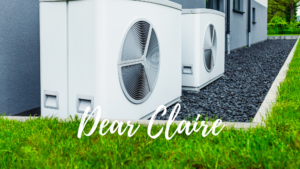
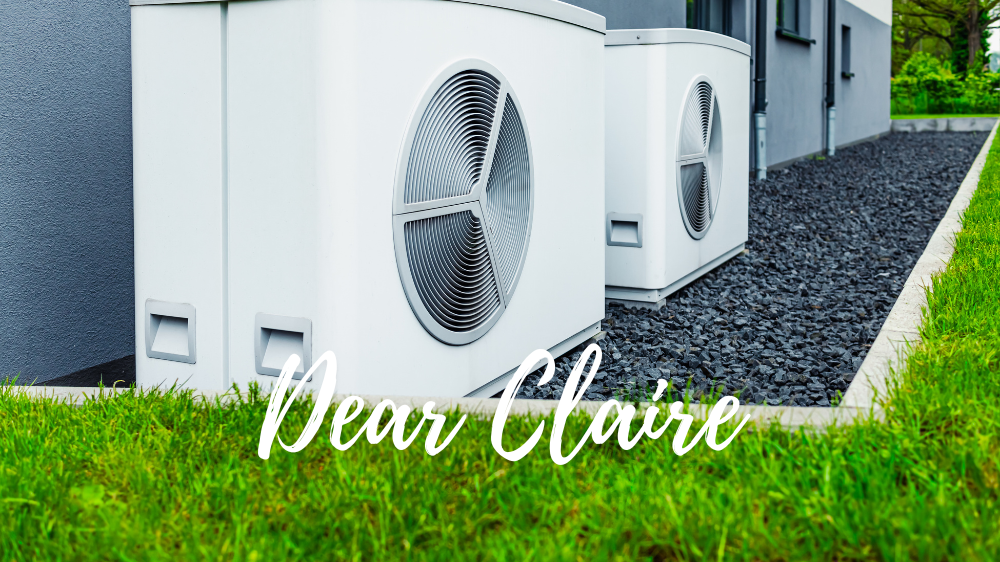
A heat pump takes a completely different approach. Instead of creating heat by burning fuel, it moves heat from one place to another. Even when it’s cold outside, there’s still heat energy in the outdoor air. A heat pump captures that heat, concentrates it, and transfers it inside your home. Because it’s moving heat instead of generating it, a heat pump can deliver several units of heat for every unit of electricity it uses, making it one of the most energy-efficient heating systems available.
Why Heat Pumps Have Become So Popular
Heat pumps have become increasingly common throughout the Portland area over the last several years, and it’s easy to understand why.
One of their biggest advantages is that they heat and cool your home. During the winter, they pull heat from the outdoor air and move it inside. During the summer, the process reverses, removing heat from your home and transferring it outdoors.
In other words, one system handles both jobs.
If you install a gas furnace, you’ll typically need a separate air conditioning system if you want cooling during our increasingly warm summers. While Portland may not have months of extreme heat like Arizona or Texas, we’ve certainly experienced enough hot weather over the past decade that many homeowners now consider air conditioning less of a luxury and more of a necessity.
What About Really Cold Weather?
One of the questions I hear most often is whether a heat pump can keep up during those cold stretches when Portland gets snow, or temperatures dip well below freezing.
The answer is yes—at least with today’s modern cold-climate heat pumps.
Older heat pumps sometimes struggled during very cold weather, which is why many homes included backup electric resistance heat or paired the heat pump with a gas furnace in what’s known as a dual-fuel system.
Today’s technology has improved dramatically. Many newer heat pumps continue producing heat efficiently even when outdoor temperatures fall well below freezing. Depending on the home, some homeowners still choose a backup heat source for additional peace of mind, but it’s no longer accurate to assume every heat pump needs one.
That’s one reason it’s so important to work with an experienced HVAC contractor who can recommend the right system for your home’s size, insulation, and heating needs.
Comparing Operating Costs
Every homeowner wants to know which system costs less to operate.
The honest answer depends on utility rates, the efficiency of the equipment, and your home’s insulation.
Natural gas has traditionally been an affordable heating fuel in Oregon, making gas furnaces economical to operate. Heat pumps, however, often use significantly less energy because they’re transferring heat instead of creating it.
For homeowners who prioritize reducing energy consumption or lowering their carbon footprint, heat pumps are often an attractive option.
There are also federal, state, and local incentives available from time to time that can help offset installation costs, particularly for energy-efficient equipment. Those programs change periodically, so it’s worth asking your contractor about current rebates before making a decision.
Installation Costs Are Surprisingly Similar
Many people assume a heat pump costs dramatically more than a furnace, but that’s not always the case.
Installation costs vary based on the size of your home, the equipment you choose, whether existing ductwork can be reused, and the complexity of the installation. In many Portland-area homes, installing either a high-efficiency gas furnace or a heat pump falls within a similar price range.
The bigger financial difference often comes down to whether you also need cooling.
If you’re replacing a furnace and also want central air conditioning, you’ll be purchasing two systems: the furnace and the air conditioner.
A heat pump combines both functions into one piece of equipment, which changes the overall cost comparison.
Which System Is Better for Resale?
As a real estate agent, I also (can’t help but) think about these decisions from the perspective of future buyers.
Both systems are viewed positively when they’re well maintained.
A newer high-efficiency gas furnace is absolutely a selling feature. Buyers appreciate knowing they won’t have to replace a major mechanical system anytime soon.
Heat pumps have also become increasingly desirable, particularly among buyers looking for lower energy consumption and year-round comfort. Because they provide both heating and cooling, many buyers see them as a modern upgrade.
Ultimately, buyers tend to care less about which system you have and more about whether it’s newer, efficient, professionally installed, and properly maintained.
My Advice
When clients ask me which system I would choose, I usually turn the question around.
What matters most to you?
If your priority is minimizing energy use and having one system that provides both heating and cooling, a heat pump deserves serious consideration.
If you’ve always preferred the feel of gas heat and you’re already set up with a high-efficiency furnace and air conditioning, replacing your existing equipment with another quality gas furnace may make perfect sense.
There’s no universal answer because every home—and every homeowner—is a little different.
What I do recommend is taking the time to understand your options instead of automatically replacing your old system with whatever was there before. Heating technology has changed significantly over the last decade, and it’s worth exploring what’s available before making a decision that you’ll live with for the next fifteen to twenty years.
Frequently Asked Questions
Is a heat pump better than a gas furnace?
Not necessarily. Heat pumps are typically more energy efficient and provide both heating and cooling, while gas furnaces deliver powerful heat and have long been a reliable choice for Portland homes. The best option depends on your priorities, budget, and home.
Do heat pumps work during Portland winters?
Yes. Modern cold-climate heat pumps are designed to operate efficiently even during freezing temperatures and are well suited to the Portland area’s relatively mild winters.
Do I still need air conditioning with a heat pump?
No. A heat pump provides both heating in the winter and cooling in the summer, eliminating the need for a separate central air conditioning system.
How long do furnaces and heat pumps last?
Most well-maintained gas furnaces last 15 to 20 years. Heat pumps generally have a similar lifespan, although regular maintenance is important for maximizing performance and longevity.
Are there rebates for installing a heat pump?
Often, yes. Utility companies and government programs periodically offer incentives for installing high-efficiency heat pumps and other energy-efficient HVAC equipment. Ask your contractor about current programs available in your area.
Final Thoughts
One of the things I enjoy most about talking with homeowners is helping them understand the systems that make their homes work. Heating and cooling equipment isn’t exactly the most glamorous part of a house, but it’s one of the most important. It affects your comfort every single day, influences your monthly utility bills, and plays a role in your home’s long-term value.
Whether you choose a gas furnace, a heat pump, or a dual-fuel system, the best investment is one that’s properly sized, professionally installed, and maintained over time. If you’re replacing an aging system, don’t be afraid to ask questions, compare options, and think beyond the initial purchase price. A little research today can make your home more comfortable—and more efficient—for many years to come.
About Claire Paris
Claire Paris is the Owner and Principal Broker of Paris Group Realty, LLC. She has been practicing real estate since 2004 and is licensed in both Oregon and Washington.
If you have a real estate question you’d like me to answer in a future Dear Claire, we’d love to hear it. And if you’re thinking about buying, selling, or investing in real estate, our team is always here to help. Get in touch—we’d love to be part of your next chapter.
Looking for more real estate tips and advice? Be sure to subscribe to the Paris Group Realty, LLC YouTube channel, where you’ll find hundreds of videos covering everything from buying and selling a home to Portland neighborhoods, home maintenance, financing, market updates, investment properties, and answers to many of the most common real estate questions.