Dear Claire: How Do I Prepare for the Rainy Season?
“Dear Claire, every fall I promise myself I’ll get ahead of home maintenance before the rain starts…and every year I seem to wait until the first big storm. What should homeowners actually be doing to prepare their homes for Portland’s rainy season?”
Living in the Portland area means learning to embrace the rain. It’s part of what makes our region so beautiful. Our lush forests, vibrant gardens, and evergreen landscapes wouldn’t exist without it.
But while rain is wonderful for the Pacific Northwest, it can be tough on our homes if we’re not prepared.
 One of the biggest misconceptions I hear is that home maintenance has to be complicated or expensive. The truth is, most of the things that protect your home through the rainy months are actually small, preventative tasks. Spending a Saturday afternoon checking a few key systems can save you thousands of dollars in repairs later.
As they say in Game of Thrones, “Winter is coming”. (Is that show still relevant?) Around here, that also means our wettest months are just around the corner.
So let’s talk about what I recommend homeowners look at every fall before the rainy season really gets underway.
Water Is Your Home’s Biggest Enemy
When people think about protecting their homes, they often think about roofs, foundations, or siding.
While all of those things are important, there’s really one common denominator behind most expensive home repairs:
Water.
Water is persistent. It only needs a tiny opening. Given enough time, it can rot wood, damage drywall, weaken foundations, create mold problems, ruin insulation, and shorten the lifespan of many of your home’s components.
That’s why almost everything on my rainy season checklist comes back to one goal:
Keep water moving away from your home.
Start with Your Gutters
If I could only recommend one thing every homeowner should do before the rainy season, it would probably be cleaning the gutters.
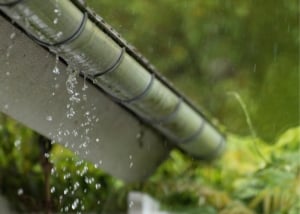 Your gutters have one very important job: to collect rainwater from your roof and direct it safely away from your home.
When they’re working properly, you probably never think about them, but when they’re clogged, though, problems can develop surprisingly quickly.
Leaves, pine needles, moss, and small branches accumulate throughout the year. Eventually, that debris blocks the flow of water. Instead of draining through your downspouts, water begins overflowing the sides of the gutters.
That overflow can end up:
- Running down your siding
- Pooling around your foundation
- Damaging landscaping
- Seeping into crawl spaces or basements
- Contributing to wood rot
Cleaning gutters isn’t glamorous, but it’s one of the highest-return maintenance projects you can do.
Don’t Forget the Downspouts
Cleaning the gutters is only half the job. The water still has to go somewhere. That’s where your downspouts come in. Take a look at where yours discharges. Some homes have downspouts that simply empty onto the lawn. Others connect directly to underground drainage systems.
Around Portland, many homes have underground stormwater connections. If that’s the case, I always recommend checking them during a good rainstorm. Yes, that means putting on your rain jacket and heading outside for a few minutes.
Watch what happens.
Is water flowing freely? Or is it bubbling up around the connection?
If you notice water backing up or overflowing, that may be a sign the underground drain isn’t functioning properly.
Sometimes homeowners choose to disconnect those downspouts and redirect the water safely into the yard rather than the underground system.
Whether that’s the right solution depends on your property, but catching a drainage problem early is always better than discovering it after you’ve got water in your basement.
Walk Around Your House
Fall is one of my favorite times to simply slow down and really look at the outside of my home. Not while I’m rushing to work. Not while bringing in groceries.
Actually walk around the entire house.
Look carefully.
You’re looking for anything that allows water to get where it shouldn’t. This simple habit helps homeowners notice little issues before they become expensive repairs.
Check Your Siding
 Every siding material eventually needs maintenance.
Whether your home has:
- Cedar shingles
- Lap siding
- Fiber cement siding
- Wood siding
- Vinyl siding
…the goal is the same: Keep water out!
Look for:
- Cracks
- Holes
- Missing pieces
- Loose boards
- Gaps around trim
- Areas where paint has failed
Sometimes you’ll find a surprisingly easy fix. A small crack today might only require some exterior-grade caulk.
Ignore it for several rainy seasons, though, and you may end up replacing sheathing or repairing rot behind the siding.
Preventative maintenance almost always costs less than waiting.
Take a Good Look at the Roof
Your roof quietly protects everything underneath it. Unfortunately, many homeowners don’t notice roof problems until they’re looking at water stains on the ceiling.
Instead, take a few minutes to inspect it from the ground.
Look for obvious concerns like:
- Missing shingles
- Curling shingles
- Damaged flashing
- Excessive moss
- Areas that appear worn
 Moss deserves special attention here in the Pacific Northwest.
A little moss may not seem like a big deal, but over time, it can trap moisture against roofing materials and shorten the lifespan of your roof.
If you aren’t comfortable evaluating your roof yourself, hiring a roofing professional for an occasional inspection can provide peace of mind.
Pay Attention to Small Repairs
One thing I’ve learned after years in real estate is that homes rarely develop huge problems overnight. More often, they develop from small issues that weren’t addressed.
A loose shingle.
A cracked piece of siding.
A tiny gap around the flashing.
A clogged gutter.
Each one seems insignificant on its own. Together, they create opportunities for water intrusion. That’s why I encourage homeowners to fix the little things while they’re still little.
Check Your Basement or Crawl Space
As the rainy season begins, it’s worth taking a quick look underneath your home. If you have a basement or crawl space, spend a few minutes checking for signs of moisture. Look for:
- Standing water
- Damp soil
- Wet insulation
- Water stains
- Musty odors
- New puddles after storms
If you consistently notice water in the same area, ask yourself what’s happening directly outside that location.
Does a gutter overflow there?
Is a downspout clogged?
Does the yard slope toward the house?
Sometimes solving the outside drainage issue solves the moisture problem inside.
Create a Maintenance List
One thing I encourage homeowners to do every fall is to make a simple maintenance list. As you’re walking around your property, write things down. Maybe your notes include:
- Replace cracked siding next spring.
- Clean moss off the roof.
- Repair loose flashing.
- Repaint the south side of the house.
- Trim branches over the roof.
- Replace worn weatherstripping.
You don’t necessarily have to do everything immediately. The important part is knowing what needs attention so you can prioritize projects before they become emergencies.
Owning a home is much easier when maintenance becomes proactive instead of reactive.
Don’t Forget Your Yard
Preparing for the rainy season isn’t just about the house itself. Your yard matters too.
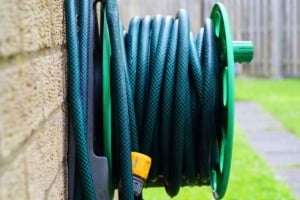 Put away garden tools before they’re left sitting outside all winter. Moisture can quickly lead to rust and shorten the life of your equipment.
Drain and store hoses if temperatures begin dropping.
Secure lightweight outdoor furniture before winter storms arrive.
Trim back vegetation that’s growing against your siding.
These simple tasks help protect both your home and the things around it.
What About Hot Tubs and Pools?
 If you’re fortunate enough to have a pool or hot tub, don’t forget those either.
For pools that won’t be used during the colder months, make sure they’re properly winterized and covered according to the manufacturer’s recommendations.
If you have a hot tub that you’ll continue enjoying all winter, keep up with regular maintenance and ensure the cover fits securely to help retain heat and protect the equipment.
I always laugh a little here because I don’t have either one myself—but if I did, I’d definitely want to keep them in great shape!
Why Preventative Maintenance Matters
As a real estate agent, I spend a lot of time walking through homes. One pattern I’ve noticed over the years is that well-maintained homes tend to have fewer surprises. The homeowners weren’t necessarily spending huge amounts of money. They were simply paying attention.
They fixed the little things. They cleaned the gutters. They replaced missing caulk. They addressed drainage issues early.
Those habits add up over decades.
Whether you’re planning to stay in your home for another year or another twenty years, regular maintenance protects both your comfort and your investment.
If You’re Thinking About Selling
Fall maintenance doesn’t just help homeowners who plan to stay put. It can also make a meaningful difference if you’re thinking about selling in the next year or two. Many buyers—and certainly home inspectors—notice deferred maintenance, particularly:
- Overflowing gutters
- Moss-covered roof
- Rotting trim
- Damaged siding
These small items can create the impression that larger maintenance issues may have been overlooked as well. On the other hand, a home that’s obviously been cared for gives buyers confidence.
It tells a story of responsible ownership. That’s something every seller wants.
Frequently Asked Questions
When should I clean my gutters in Portland?
Most homeowners should plan on cleaning their gutters at least once each fall after the majority of the leaves have dropped. If your property has many mature trees, you may need to clean them more than once during the rainy season.
How do I know if my downspouts are clogged?
One of the easiest ways is to watch them during a rainstorm. If water is overflowing from the gutters or bubbling up around underground drain connections instead of flowing away normally, there may be a blockage that needs attention.
Is moss on my roof a problem?
It can be. Moss holds moisture against roofing materials, which may shorten the life of your roof over time. Addressing moss early is usually much easier and less expensive than waiting until damage develops.
Why should I inspect my basement or crawl space after it starts raining?
The first few storms of the season often reveal drainage issues that weren’t obvious during the dry summer months. Catching moisture early allows you to address the source before it turns into a larger repair.
Do I need to repair every little crack or gap right away?
Not necessarily, but you should document anything you notice and prioritize repairs before water has a chance to get inside your home’s exterior. Small maintenance projects are almost always less expensive than repairing water damage later.
My Final Thoughts
 One of the best things you can do for your home is simply pay attention. You don’t need to be a contractor or need to know how to fix everything yourself.
But taking an hour to walk around your home each fall, looking at your gutters, roof, siding, drainage, and crawl space, can help you catch small issues before they become major headaches.
Homes naturally require maintenance—that’s part of homeownership. The goal isn’t perfection. The goal is to stay ahead of problems instead of reacting to them after they’ve caused damage.
Here in Portland, we know the rain is coming every year. Preparing your home before the storms arrive is one of the smartest investments you can make in protecting both your property and your peace of mind.
About Claire Paris
Claire Paris is the Owner and Principal Broker of Paris Group Realty, LLC. She has been practicing real estate since 2004 and is licensed in both Oregon and Washington.
 If you have a real estate question you’d like me to answer in a future Dear Claire, we’d love to hear it. And if you’re thinking about buying, selling, or investing in real estate, our team is always here to help. Get in touch—we’d love to be part of your next chapter.
Looking for more real estate tips and advice? Be sure to subscribe to the Paris Group Realty, LLC YouTube channel, where you’ll find hundreds of videos covering everything from buying and selling a home to Portland neighborhoods, home maintenance, financing, market updates, investment properties, and answers to many of the most common real estate questions.