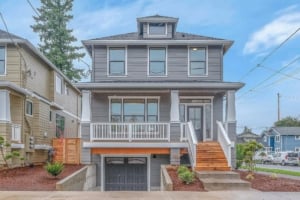
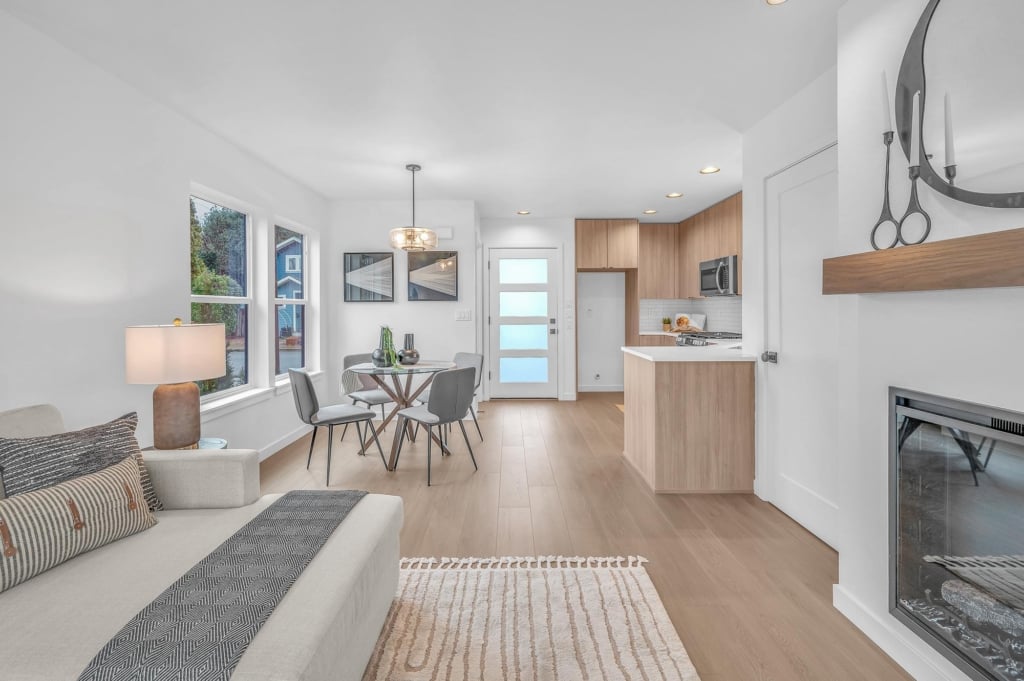
Key Considerations Before Listing Your New Construction Home
Selling a new construction home requires a different strategy than selling an older property. Buyers approach new homes with high expectations. They are not simply looking for attractive finishes and an open floor plan; they are also evaluating construction quality, warranties, energy efficiency, future maintenance, builder reputation, and whether the price makes sense compared with other new and existing homes in the neighborhood.
For developers and builders, there may be additional considerations. Timing a listing too early can create uncertainty about the completion date, while waiting too long may allow competing projects to capture active buyers. Pricing must account for construction costs and upgrades without getting too far ahead of what the market will support. Marketing must also help buyers understand why this particular home is worth choosing over another new build—or a less expensive resale property.
I work with developers and sell new construction homes throughout the Portland metro area, and I have seen how much the preparation before a property hits the market can affect the final result. A successful sale begins well before the professional photographs are taken or the listing goes live.
Whether you are selling a recently completed personal residence, a custom home, or a new development, here are the most important factors to consider before listing a new construction home.
1. Know the Home Inside and Out
One of the greatest advantages of selling new construction is that almost every part of the home has a story. The challenge is making sure those details are documented and communicated in a way buyers can understand.
 Create a comprehensive list of the home’s materials, features, systems, and upgrades. This should go beyond the number of bedrooms, bathrooms, and total square footage. Buyers may want to know:
- Who built and designed the home
- Which materials were used
- The brands and models of major appliances
- Countertop, flooring, cabinet, and tile selections
- Heating and cooling system details
- Insulation and window specifications
- Smart-home features
- Electric vehicle charging capacity
- Solar or solar-ready features
- Water-saving fixtures
- Accessibility or aging-in-place features
- Landscaping and irrigation details
- Available builder and manufacturer warranties
Do not assume buyers will recognize a premium feature simply by seeing it. A high-performance heat pump, upgraded insulation package, induction range, locally made cabinetry, or thoughtfully designed drainage system may represent a meaningful investment, but buyers cannot assign value to something they do not understand.
The strongest marketing connects each feature to a practical benefit. Instead of simply saying that the home has high-quality windows, explain how the windows may improve comfort, reduce outside noise, and support energy efficiency. Rather than listing “custom storage,” show how the storage makes everyday life more organized.
Features provide the facts. Benefits help buyers imagine living in the home.
2. Identify the Likely Buyer
A new construction home should not be marketed to an imaginary universal buyer. The listing strategy should reflect who is most likely to appreciate the property and why.
A contemporary home near restaurants and transit may appeal to a different audience than a larger home in a suburban subdivision. A single-level home may attract buyers looking for long-term accessibility, while a property with a dedicated office, flexible bedroom, or separate living area may speak to remote workers or multigenerational households.
Before listing, consider questions such as:
- Who is most likely to buy this home?
- What problem does the floor plan solve for that buyer?
- Which features matter most to that audience?
- What alternatives will the buyer compare it against?
- Is the buyer likely to prioritize location, design, efficiency, space, or convenience?
- What might cause the buyer to hesitate?
This does not mean limiting who can purchase the property. It means presenting the home with enough clarity that the right buyers immediately recognize its value.
Thoughtful buyer positioning influences everything from photography and listing copy to staging and advertising. When the marketing speaks directly to how people want to live, a new construction listing becomes more memorable.
3. Understand the Neighborhood and the Competition
A newly built home does not exist in isolation. Its value is shaped by its location and by the other homes competing for the same buyers.
Research recent closed sales, active listings, pending transactions, withdrawn properties, and expired listings. Pay particular attention to other new construction homes, but do not ignore remodeled or well-maintained resale homes. A buyer may compare a new home with several different options, including:
- A larger older home at a similar price
- A recently renovated home with more established landscaping
- Another new build with different finishes
- A home in a nearby neighborhood
- A builder offering financing incentives or closing-cost assistance
- A property with a larger lot, garage, view, or additional living space
It is also important to understand the neighborhood beyond its comparable sales. Buyers want context. Consider nearby parks, schools, shopping, restaurants, transit, bicycle routes, major employers, and planned community improvements.
For a development with multiple homes, competition can also come from within the project. Releasing several similar floor plans at once may give buyers too many interchangeable options. A coordinated release and pricing strategy can help preserve urgency while allowing each home to stand on its own.
The goal is not simply to establish that a home is new. It is to explain why this new home, in this particular location, deserves the buyer’s attention.
4. Complete the Permits, Inspections, and Documentation
Few things create uncertainty faster than incomplete paperwork. Before listing a new construction home, confirm the status of building, electrical, plumbing, mechanical, and other applicable permits.
In Portland, residential permits require a final inspection before they are considered approved and closed. The city refers to this as the “999 Final Permit” inspection. A permit without final approval remains under inspection, even if the physical work appears complete. Sellers and developers can review the City of Portland’s residential inspection guidance for additional information.
Depending on the home and jurisdiction, relevant documentation may include:
- Approved plans and specifications
- Building permits and final inspection records
- Certificate of Occupancy, when applicable
- System installation records
- Engineering documents
- Surveys or site plans
- Sewer and utility information
- Energy-efficiency documentation
- Contractor and subcontractor information
- Appliance manuals
- Warranty documents
- Homeowners association materials
- Receipts for major finishes or equipment
If construction is not complete when the home is listed, clearly identify which items remain unfinished and provide a realistic completion schedule. Buyers should understand whether they are purchasing a completed home, reserving a home still under construction, or entering into a transaction that includes a defined post-closing completion agreement.
Ambiguity tends to slow transactions. Clear documentation makes the home easier for buyers, inspectors, appraisers, lenders, and title professionals to evaluate.
5. Address the Punch List Before Going on the Market
New does not automatically mean perfect. Small unfinished items can be especially distracting in a newly constructed home because buyers expect everything to feel complete.
Before photography and showings, conduct a thorough walk-through and create a punch list. Look at the home with a buyer’s level of scrutiny. Check for:
- Paint touch-ups
- Scratched flooring or cabinetry
- Uneven trim or caulking
- Loose hardware
- Sticky doors and windows
- Missing switch plates
- Incorrectly installed fixtures
- Grout or tile issues
- Appliance damage
- Construction debris
- Drainage or grading concerns
- Incomplete landscaping
- Unlabeled electrical panels
- Missing screens, remotes, or manuals
 It is generally better to address these items before buyers see them than to promise they will be corrected later. A collection of minor defects can make buyers question the overall quality of the construction, even when the home is structurally sound.
For developers, a pre-listing quality control walk-through is also an opportunity to confirm that the finished home matches the plans, specifications, marketing materials, and contractual commitments.
The goal is not to claim that no future adjustment will ever be needed. It is to demonstrate that the home was completed with care and that the seller takes quality seriously.
6. Organize and Explain the Warranties
Warranties can be a major advantage when selling a new construction home, but only when buyers understand what is covered, how long the coverage lasts, and how to request service.
Oregon requires contractors to offer a new-home warranty in writing to the purchaser, although the contractor determines the terms, including the scope and duration of coverage. According to the Oregon Construction Contractors Board, coverage may include structural components, major home systems, and workmanship, depending on the specific warranty. Manufacturer warranties may separately apply to roofing, siding, appliances, windows, furnaces, and other products.
Before listing, gather the complete warranty package and confirm:
- Whether the warranty is transferable
- When each warranty period began
- What components are covered
- What is excluded
- Whether deductibles or service fees apply
- Who buyers should contact with a claim
- Whether registration is required
- Whether any scheduled builder walk-throughs remain available
Avoid making broad statements such as “everything is under warranty” unless that is supported by the actual documents. Precise information builds more confidence than sweeping assurances.
If the home has been occupied, determine which warranties have already started and whether the buyer will receive the remaining coverage rather than a new warranty period.
7. Price the Home for the Current Market
 Pricing new construction involves more than adding land, labor, materials, upgrades, and a desired profit margin. Those numbers matter to the seller or developer, but buyers will still compare the finished home with other available properties.
A comparative market analysis(CMA) should account for:
- Recent sales of new or nearly new homes
- Competing active construction
- Location and lot characteristics
- Architectural design
- Floor-plan functionality
- Quality of materials and workmanship
- Garage and parking
- Outdoor living space
- Energy-efficient systems
- Builder reputation
- Warranties
- Current supply and buyer demand
- Builder or lender incentives being offered elsewhere
Custom selections do not always translate dollar for dollar into resale value. A seller may have spent significantly more on a particular tile, appliance package, lighting system, or imported finish, but buyers may not assign the same value to it.
Overpricing can be particularly damaging for new construction. If the home sits on the market, buyers may begin to wonder whether there is a problem with the property or whether the builder has room to make a major concession. Extended market time can also create carrying costs and complicate the release of additional homes in a development.
A strong price should be defensible, competitive, and consistent with the home’s actual advantages.
8. Decide Whether to Use Incentives
Incentives can help a new construction home stand out, especially when buyers are comparing several similar properties. However, the incentive should respond to a genuine buyer concern.
Depending on the market and the seller’s goals, options might include:
- A credit toward closing costs
- An interest-rate buydown
- Prepaid homeowners association dues
- A landscaping allowance
- An appliance package
- Window coverings
- A home warranty
- An upgrade or customization allowance
- Flexibility on the closing date
The most effective incentive is not always a price reduction. Some buyers are more concerned about their monthly payment or immediate cash needs than the total purchase price.
For developers selling multiple homes, incentives should be structured carefully. A concession on one property can affect appraisals, buyer expectations, and negotiations on later sales. Any incentive should be considered as part of the broader pricing strategy—not added impulsively after a listing has struggled.
9. Invest in Professional Staging and Photography
An empty new construction home may look clean, but it can also feel cold or difficult to understand. Without furniture, buyers may struggle to judge room dimensions, recognize a dining area, or envision how an open floor plan functions.
 Professional staging can establish scale, define spaces, and soften the hard surfaces often found in a newly built home. It is especially helpful when:
- The floor plan is open or unconventional
- A room has several possible uses
- Bedrooms are compact
- The main living area needs a focal point
- The home has a bonus room or flexible space
- The finishes need warmth and contrast
Professional photography should capture more than pristine countertops. It should tell a visual story that moves naturally from the exterior and entry through the main living spaces, bedrooms, outdoor areas, and neighborhood.
Depending on the property, the marketing package may also include video, aerial photography, floor plans, virtual tours, detail images, and renderings. If renderings are used, clearly label them so buyers understand which images depict the completed home and which are artistic representations.
Construction materials, portable toilets, dumpsters, and unfinished neighboring lots should also be considered when scheduling photography. Sometimes a short delay or carefully chosen angle can dramatically improve the presentation.
10. Prepare for Showings, Inspections, and Appraisals
Even when a home is newly built and has passed municipal inspections, buyers may still hire an independent home inspector. Sellers should expect that.
A municipal inspection and a buyer’s home inspection serve different purposes. The buyer’s inspector may identify adjustments, maintenance concerns, or workmanship items that were not part of the permitting review. Rather than treating the inspection as an insult to the builder, approach it as a normal part of the transaction.
Make sure the inspector can access the electrical panel, attic, crawl space, mechanical systems, garage, and other necessary areas. Provide available plans and system information, but allow the inspector to perform an independent review.
Appraisals can also require special preparation. New construction appraisals may be challenging when there are few comparable sales or when the home contains unusual upgrades. A well-organized appraisal package can include:
- A detailed features and upgrades list
- Floor plans
- Relevant comparable sales
- Construction specifications
- Permit and final inspection information
- Energy-efficiency features
- Details about the lot and location
- Documentation of included incentives or concessions
The appraiser must reach an independent conclusion, but complete information helps ensure that important features are not overlooked.
 11. Sell the Lifestyle, Not Just the Construction
Buyers care about construction details, but they ultimately purchase a home because they can picture their lives unfolding there.
Marketing should answer questions such as:
- Where will people gather?
- How does the kitchen support everyday routines?
- Is there a comfortable place to work from home?
- How does the home connect to the yard or patio?
- What makes the primary suite feel private?
- Where can guests stay?
- What is it like to live in the neighborhood?
- How might the home adapt as a buyer’s needs change?
Good new construction marketing balances technical information with emotional connection. Buyers should understand how the house was built and why it will be enjoyable to own.
12. Work With a Real Estate Professional Who Understands New Construction
New construction transactions involve details that may not appear in a typical resale. Completion timelines, builder addenda, warranties, upgrade allowances, permits, incentives, appraisals, inspections, and phased releases can all affect the sale.
A real estate professional with new construction experience can help develop a strategy before the home reaches the market. That includes evaluating the target buyer, reviewing the competition, identifying meaningful selling points, coordinating marketing, anticipating objections, and negotiating terms that support the seller’s broader goals.
For developers, the right real estate partner can also provide feedback before construction is complete. Early conversations about floor plans, finish selections, buyer preferences, pricing, and release schedules may help prevent expensive decisions that are difficult to change later.
The best time to begin planning a new construction sale is not necessarily when the home is finished. In many cases, it is while the project is still being designed or built.
A Strong New Construction Sale Begins With Preparation
Selling a newly constructed home requires more than placing it on the market and emphasizing that everything is new. Buyers need a clear reason to choose the property, confidence in the quality of the construction, and enough information to make an informed decision.
Before listing, take time to complete the details, organize the documentation, understand the competition, establish a defensible price, and create marketing that communicates both the home’s technical strengths and its everyday appeal.
With the right preparation and guidance, a new construction home can stand out for all the right reasons.
If you are a developer planning a new project, a builder preparing to release completed homes, or an owner considering selling a recently constructed property, I would be happy to help you develop a strategy tailored to the home and the current Portland-area real estate market.
 Contact Thomas I. Hall
Email: tomhall@parisgrouprealty.com
Phone: 971-409-5926
Tom is here to help with your new construction and real estate needs.