Thinking About Moving to Portland, Oregon?
10 Reasons to Call the Rose City Home
If you are considering moving to Portland, Oregon, you are probably wondering what it is really like to live here—not just visit for a long weekend.
 Portland is known for its towering trees, creative food scene, independent businesses, bicycle culture, historic homes, and wonderfully unconventional personality. Yet what makes the city appealing to many residents is not one famous attraction or quirky slogan. It is the way daily life can combine the amenities of a major city with neighborhood gathering places, abundant green space, and easy access to the rest of the Pacific Northwest.
Portland is not the right fit for everyone. The gray winters are real, traffic varies significantly by location and commute, and home prices can differ dramatically from one neighborhood to the next. However, for people who appreciate natural beauty, local character, excellent food, and a lifestyle that can shift easily between urban and outdoor experiences, Portland offers something distinctive.
Here are ten compelling reasons people choose to buy a home and build a life in Portland.
1. Portland Brings Nature Into Everyday Life
Portland’s nickname may be the City of Roses, but the city’s greenery extends far beyond its famous flowers.
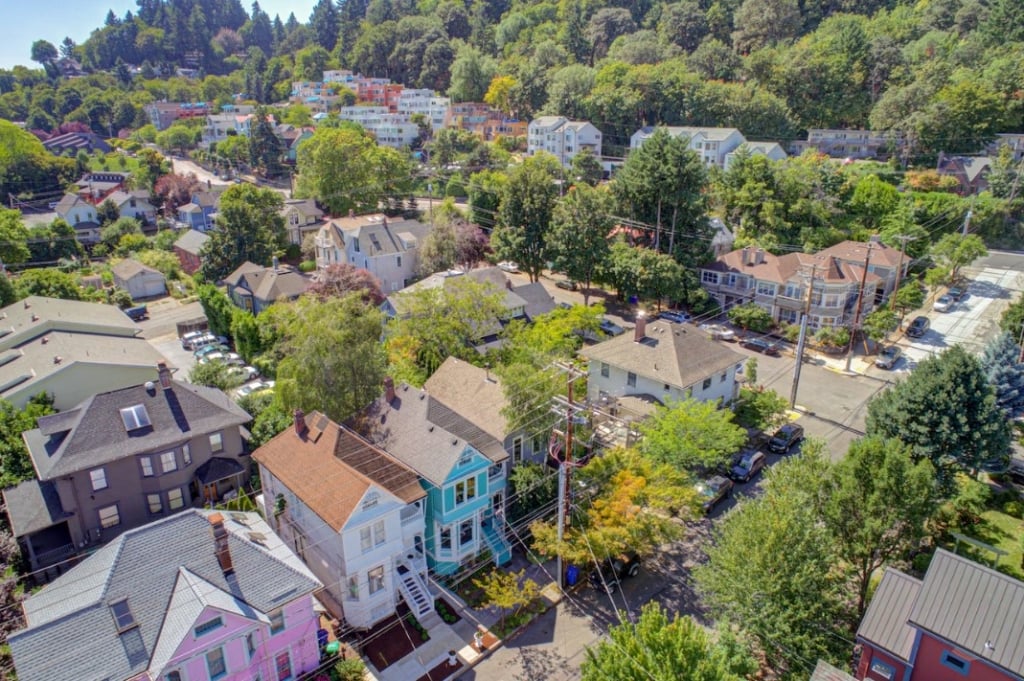
Mature trees line many residential streets. Neighborhood parks, community gardens, natural areas, and walking paths are woven throughout the city. Even in more urban parts of Portland, residents are rarely far from a place to walk beneath trees, enjoy a picnic, or take a break beside the water.
Portland Parks & Recreation oversees more than 200 parks, gardens, and natural areas encompassing nearly 12,000 acres. That includes everything from playgrounds and neighborhood sports fields to large natural spaces that feel remarkably removed from city life.
Forest Park is perhaps the best-known example. Located in Portland’s West Hills, it contains more than 5,200 acres of native forest and more than 70 miles of interconnected trails and lanes. The 30-mile Wildwood Trail runs through the park, giving hikers and runners an extraordinary stretch of forest without leaving the city.
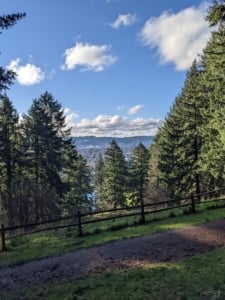 Other local favorites include:
- Mt. Tabor Park, located on an extinct volcanic cinder cone
- Powell Butte Nature Park, with forest, meadows, trails, and expansive views
- Hoyt Arboretum, home to thousands of trees and miles of trails
- Washington Park, where visitors can find the Oregon Zoo, Portland Japanese Garden, and International Rose Test Garden
- Laurelhurst Park, with walking paths, open lawn, mature trees, and a central pond
- Peninsula Park, known for its formal rose garden
- Kelley Point Park, where the Willamette and Columbia rivers meet
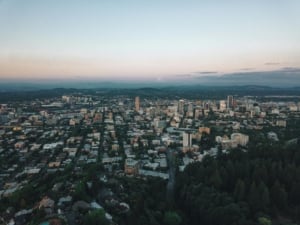
Portland’s natural setting influences how people use the city. A morning might begin with coffee in a neighborhood café, continue with a hike in Forest Park, and end with dinner downtown—all without requiring a full weekend trip.
Learn more about Portland’s parks and natural areas.
2. Each Portland Neighborhood Has Its Own Personality
Portland is not a city where every neighborhood feels the same. Its commercial districts, architecture, landscapes, and housing options change noticeably as you travel across town.
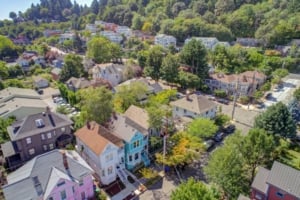
Someone moving to Portland might be drawn to the historic homes and tree-lined streets of Laurelhurst, Irvington, or Alameda. Another buyer may prefer the restaurants, shops, and energy around Alberta Arts, Mississippi Avenue, Hawthorne, or Division Street.
Sellwood-Moreland offers an established neighborhood atmosphere near the Willamette River. St. Johns has its own downtown district and the dramatic St. Johns Bridge. Multnomah Village feels like a small community tucked into Southwest Portland, while the Pearl District offers condominium living close to galleries, restaurants, and parks.
Other buyers look beyond Portland’s city limits to communities such as Beaverton, Milwaukie, Lake Oswego, Tigard, Happy Valley, Gresham, Oregon City, or Vancouver, Washington.
This variety allows buyers to think beyond the house itself and consider how they want to live. Would you like to walk to restaurants? Do you need convenient access to a particular employer? Are you looking for a larger yard, a condominium, a classic bungalow, or a newer home? Would you rather be close to trails, nightlife, transit, or a neighborhood business district?
The answers can lead buyers to very different parts of the Portland metro area.
That is why choosing the right neighborhood should be one of the first steps when relocating to Portland. A local real estate professional can help you compare housing styles, price ranges, commuting considerations, transportation options, and nearby amenities without reducing the decision to a generic list of “best” neighborhoods.
3. Portland’s Food Scene Rewards Curiosity
Portland takes food seriously without always taking itself too seriously.
 The city is filled with chef-driven restaurants, neighborhood bakeries, coffee roasters, breweries, farmers markets, international grocery stores, and food carts serving meals from around the world. You can plan an elaborate dinner or eat exceptionally well while sitting at a picnic table beside a food cart.
Portland’s hundreds of food carts are spread across individual locations and larger pods. These gathering places often combine several cuisines with covered seating, fire pits, bars, markets, or community events. Depending on the neighborhood, you may find Thai, Mexican, Vietnamese, Ethiopian, Japanese, Indian, Filipino, Korean, Mediterranean, barbecue, burgers, handmade pasta, vegan comfort food, or fresh pastries within a few blocks.
The city is also accommodating to a wide range of dietary needs. Many restaurants offer vegetarian, vegan, gluten-free, and allergy-conscious choices as regular menu options rather than afterthoughts.
Coffee is another part of daily Portland life. Independent cafés and local roasters are found throughout the city, often becoming informal neighborhood gathering places. The same is true of breweries, wineries, cideries, bakeries, and specialty food shops.
Portland’s food scene is not limited to its most famous establishments. Some of the best experiences come from finding the bakery tucked into a residential neighborhood, the family-owned restaurant inside a small commercial district, or the food cart you begin visiting every week after moving nearby.
4. Independent Businesses Give the City Its Character
Portland has a strong appreciation for local businesses and the people behind them.
Across the city, older commercial streets are filled with independent bookstores, vintage shops, record stores, plant shops, galleries, neighborhood theaters, cafés, restaurants, and specialty retailers. These businesses help give each district its own identity.
Living near one of these areas can change the rhythm of everyday life. Instead of making every errand a large outing, you may be able to walk to a coffee shop, meet a friend for dinner, browse a bookstore, pick up groceries, or attend a neighborhood event.
Powell’s City of Books may be the most famous example of Portland’s independent spirit, but it is only one part of a much larger culture. Weekend markets, pop-up events, maker spaces, neighborhood festivals, and locally produced goods are common throughout the metro area.
For many people considering relocating to Portland, this is part of the city’s appeal. Portland can provide the restaurants, entertainment, and employment opportunities of a major metropolitan area while still making room for small businesses and community gathering places.
5. Portland Offers a Wide Range of Architectural Styles
If you enjoy homes with personality, Portland is a fascinating place to shop for real estate.
The city’s housing stock includes Craftsman homes, bungalows, Foursquares, cottages, Victorians, English Tudors, midcentury homes, ranch houses, contemporary residences, floating homes, lofts, condominiums, townhouses, and newer construction.
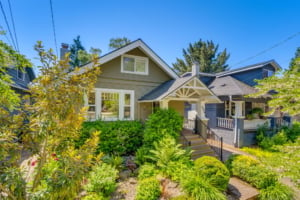 Many older Portland homes feature details that are difficult to reproduce today, including:
- Original hardwood or fir floors
- Built-in cabinetry
- Leaded-glass windows
- Box-beam ceilings
- Arched doorways
- Picture rails
- Covered front porches
- Wood-burning fireplaces
- Decorative millwork
- Clawfoot tubs
Of course, older homes can also come with aging sewer lines, electrical systems, foundations, roofs, plumbing, or unpermitted improvements. A beautiful vintage home still requires careful inspection and due diligence.
Other buyers prefer newer construction with modern systems, energy-efficient features, open living areas, and lower immediate maintenance needs. Portland offers both options, although availability and price vary by neighborhood.
The goal is not simply to find a visually appealing house. It is to understand the tradeoffs associated with its age, construction, condition, location, and future maintenance.
6. Outdoor Adventures Extend Far Beyond the City
 Portland’s location makes it possible to reach dramatically different landscapes without traveling across the country.
Mt. Hood offers hiking, snow sports, lakes, campgrounds, and scenic drives. The Columbia River Gorge is known for waterfalls, viewpoints, and trails. Oregon’s north coast provides beaches, forests, headlands, and small towns, while the Willamette Valley is home to farms, vineyards, wineries, and rolling countryside.
Depending on your destination and traffic, many popular day-trip areas can be reached in roughly one to two hours from Portland. That makes it possible to build outdoor recreation into ordinary weekends rather than reserving it for an annual vacation.
Popular activities within reach of the city include:
- Hiking
- Camping
- Skiing and snowboarding
- Snowshoeing
- Kayaking and paddleboarding
- Fishing
- Cycling
- Mountain biking
- Wine tasting
- Visiting waterfalls
- Exploring the Oregon Coast
This proximity is especially appealing to people who want the employment and cultural opportunities of a metro area without giving up regular access to forests, mountains, rivers, and beaches.
7. Public Transportation Can Expand Your Options
Portland’s TriMet system includes buses, MAX light rail, and streetcar connections. MAX serves Portland City Center and connects with areas including Beaverton, Hillsboro, Milwaukie, Clackamas, Gresham, North and Northeast Portland, and Portland International Airport.
That does not mean every Portland resident can conveniently live without a car. Transit access varies by neighborhood, destination, schedule, and the number of transfers required. A home that looks close to your workplace on a map may still require a complicated commute.
However, buyers who prioritize transit can search strategically near MAX stations, frequent-service bus routes, or walkable commercial areas. Some households may be able to use one vehicle instead of two, while others may rely primarily on transit, walking, or cycling.
When evaluating a home, test the actual trip you expect to make. Look at weekday schedules, evening service, transfers, walking distances, bicycle routes, and parking requirements. A neighborhood’s transportation options can affect your daily routine just as much as the home’s floor plan.
8. Portland Embraces Creativity and Individuality
Portland has long attracted people who value art, music, books, design, craftsmanship, and self-expression.
Murals appear on buildings throughout the city. Independent theaters and music venues host local and touring performers. Galleries, maker markets, studios, festivals, and neighborhood art walks give artists and small creative businesses opportunities to connect with the public.
 The city also has a sense of humor about itself. You may encounter tiny horses tethered to historic curb rings, whimsical yard displays, unusually decorated bicycles, community-built gathering spaces, or costumed participants at a local event.
These details may seem small, but they say something important about Portland: people are generally allowed room to be themselves.
Portland’s personality is not manufactured solely for visitors. Much of it comes from residents who create art, organize events, support neighborhood projects, start unusual businesses, and add unexpected touches to ordinary streets.
For buyers who want to live somewhere with character rather than perfect uniformity, that individuality can be a major attraction.
9. There Is Always Something New to Explore
Living in Portland provides access to concerts, professional sports, museums, gardens, theaters, markets, festivals, and community events.
You can attend a Portland Trail Blazers game, watch the Portland Timbers or Portland Thorns, see a performance, explore the Portland Art Museum, visit the Oregon Museum of Science and Industry (OMSI), or spend an afternoon at the Oregon Zoo.
The city also offers many lower-cost and informal ways to get out of the house. Residents can visit farmers markets, attend neighborhood street fairs, browse art walks, watch outdoor movies, hear concerts in parks, or explore a different business district.
Portland rewards curious people. Even longtime residents continue discovering pocket parks, independent shops, historic buildings, new restaurants, public art, and neighborhood traditions.
The rain does not eliminate the city’s social life, either. Portlanders adapt with covered patios, rain jackets, coffee shops, theaters, bookstores, indoor markets, and an appreciation for making the most of clear days when they arrive.
10. Portland Can Offer a More Intentional Pace of Life
Portland is a city, but it often feels less hurried than many larger metropolitan areas.
The pace varies by profession, neighborhood, and lifestyle, but many residents appreciate the ability to build routines around local places: walking the dog beneath mature trees, meeting friends at a neighborhood café, visiting a weekend market, biking to dinner, or spending a morning on a nearby trail.
Portland’s appeal is not about constant excitement. It is about having options without feeling obligated to use all of them at once.
You can live in a condominium near downtown activity, a Craftsman near a neighborhood shopping street, a midcentury home close to a park, or a quieter property toward the edge of the metro area. The region provides different versions of the Portland lifestyle, and finding the right one is largely a matter of matching your priorities to the right location.
Important Things to Consider Before Moving to Portland
A useful relocation guide should include more than a list of reasons to love the city. Before buying a home in Portland, take time to understand the practical tradeoffs.
The Climate
Portland’s summers are often warm and dry, while fall, winter, and spring bring cooler temperatures, cloud cover, and frequent rain. People relocating from sunnier climates should consider how they feel about several gray months.
Central air conditioning is not universal, particularly in older homes, although increasingly warm summer weather has made cooling systems more desirable.
Housing Costs
Portland home prices vary widely based on location, property type, size, condition, and proximity to amenities. A buyer’s budget may stretch further in one part of the metro area than another.
Look beyond the purchase price. Property taxes, insurance, maintenance, utilities, commuting costs, and future repairs all affect affordability.
Older Housing Stock
Historic homes can be beautiful, but charm and condition are separate considerations. Buyers should carefully investigate the roof, foundation, sewer, plumbing, wiring, heating and cooling systems, drainage, and past renovations.
Transportation
Do not assume every trip across Portland will be quick. Rivers, bridges, hills, rush-hour traffic, construction, and limited crossing points can affect travel times. Test your likely commute before choosing a neighborhood.
Earthquake and Environmental Considerations
The Pacific Northwest has seismic risk, and many older homes were built before current structural standards. Depending on the property, buyers may also need to consider radon, landslide zones, floodplains, wildfire exposure, buried oil tanks, or other site-specific concerns.
These issues do not mean you should avoid buying in Portland. They mean local knowledge and appropriate inspections matter.
How to Choose the Right Portland Neighborhood
Before looking at homes, create two lists: what you need and what you would like. Your needs might include:
- A manageable commute
- A certain number of bedrooms
- Space to work from home
- Access to transit
- A yard
- Main-level living
- Proximity to family
- A specific monthly housing budget
Your preferences might include:
- Historic architecture
- Nearby restaurants and coffee
- A quieter residential setting
- Easy access to trails
- A larger lot
- Newer construction
- A walkable commercial district
- Space for hobbies or guests
Then spend time in several neighborhoods. Visit during the day and evening. Try the commute. Walk to nearby businesses. Listen to the ordinary sounds of the area. Notice parking, hills, sidewalks, street activity, and access to daily necessities.
Online research can help narrow your search, but it cannot tell you how a neighborhood feels to you.
Buying a Home in Portland with Paris Group Realty, LLC
Relocating involves more than finding a house with enough bedrooms. You are choosing a location, lifestyle, commute, community, and long-term investment—often while learning an unfamiliar market.
The team at Paris Group Realty, LLC helps buyers understand Portland’s neighborhoods, housing styles, market conditions, and property-specific considerations. We can help you compare areas, evaluate homes, identify important questions, structure a competitive offer, coordinate inspections, and navigate the transaction from beginning to closing.
Local experience is particularly valuable in a city where two homes at similar prices may have very different histories, systems, locations, and future maintenance needs.
Whether you are relocating for work, moving closer to family, returning to the Pacific Northwest, or simply searching for a different way of life, we would love to help you determine whether Portland is the right fit.
Portland’s appeal is difficult to reduce to one landmark, meal, neighborhood, or scenic view. It comes from the combination: forested trails inside the city, independent businesses, distinctive homes, remarkable food, creative people, and the possibility of reaching a mountain, river, vineyard, or beach when you need a change of scenery.
If that sounds like the life you are looking for, it may be time to begin exploring homes for sale in Portland, Oregon.
Have questions about moving to Portland or buying a home in the Portland metro area? Contact Paris Group Realty, LLC, email info@parisgrouprealty.com, or call (503) 926-5213. Our team would be happy to help you plan your move.