Portland: Connected Neighborhoods
What Makes Portland Feel Like a Curated Collection of Neighborhoods?
Portland isn’t a city you can experience all at once. It’s a city you experience neighborhood by neighborhood, coffee shop by coffee shop. Ask any local where they live and you’ll usually get more than a simple answer. You’ll hear about the restaurant on the corner, the park they walk to every evening, the bakery they swear by, and why they love their neighborhood.
For people thinking about moving to Portland, this neighborhood-first identity can be surprising and incredibly helpful. For longtime residents, it’s part of what keeps the city feeling familiar even as it grows and changes. Portland doesn’t revolve around one single downtown or cultural center. Instead, it thrives on dozens of distinct neighborhoods, each with its own rhythm, history, architecture, and personality.
How Is Portland Actually Laid Out, and What Are the Quadrants, and Why are There Six of Them?
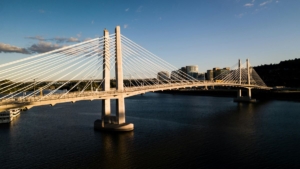
Portland’s layout is famously practical once you understand it. The city is divided by the Willamette River running north to south and Burnside Street running east to west. These two lines create the primary geographic sections people often refer to as quadrants, even though there are technically six main areas.
North Portland sits above the Willamette River and has a strong identity shaped by its industrial roots, working-class history, and close-knit communities. Many longtime residents would argue this area feels the most like the “old Portland” they remember. Northeast and Southeast Portland are split by Burnside Street and together make up some of the city’s most iconic residential neighborhoods, commercial corridors, and cultural hubs. Northwest Portland blends dense, walkable urban living with historic homes, classic apartment buildings, and direct access to Forest Park. Southwest Portland is greener, hillier, and more spread out, known for winding roads, larger lots, and a quieter pace of life.
And the newest “quadrant”, South Portland sits along the west side of the Willamette River just south of downtown and bridges the gap between Portland’s industrial past and its urban future. Long associated with waterfront industry, the area has evolved into a growing mixed-use neighborhood with modern housing, riverfront trails, and quick access to downtown, OHSU, and South Waterfront.
Why Do Portlanders Identify So Strongly With Their Neighborhoods?
Portland includes 95 officially recognized neighborhoods, each with defined boundaries, an active neighborhood association, and a distinct personality. Beyond city limits, the greater Portland metro area extends into dozens of surrounding suburbs and adjacent communities, each adding another layer to how people experience and define “living in Portland.” No single guide can cover it all, but the neighborhoods below highlight places that capture Portland’s character, history, and everyday appeal.
Alameda
Alameda sits in Northeast Portland and features stately homes, wide streets, and an established, residential feel. Many houses date back to the early 1900s and showcase Craftsman, Tudor, and Colonial Revival architecture. Mature trees and elevated streets give the neighborhood a timeless presence.
Alameda attracts people who love classic architecture and a quieter residential atmosphere while staying close to shops and restaurants along Fremont and Broadway. People often compare it to neighborhoods like Laurelhurst or historic districts in Berkeley, where preservation and pride of ownership define the experience.
Alberta Arts District
Centered along Alberta Street, the Alberta Arts District stands out as one of Portland’s most recognizable corridors. Not officially a neighborhood on its own, the District spans King, Vernon, and Concordia neighborhoods and draws attention for its colorful murals, galleries, music venues, and constantly evolving mix of restaurants and food carts.
The area carries a layered and complex history shaped by long-standing African-American communities and more recent waves of reinvestment. Today, the district reflects both those roots and Portland’s broader creative energy. Surrounding streets feature bungalows and Craftsman homes, many updated with artistic flair. The district feels expressive and energetic, similar to Temescal in Oakland or East Austin.
Beaumont-Wilshire
Beaumont-Wilshire delivers a polished, residential feel anchored by a charming commercial district along NE 42nd Avenue. Local bakeries, boutiques, and neighborhood restaurants allow residents to stay close to home for daily needs.
Homes here range from classic Portland bungalows to mid-century styles, and buyers often seek out the area for its relatively quiet, community-focused atmosphere and walkability. People frequently compare Beaumont-Wilshire to family-friendly neighborhoods in places like Pasadena or Palo Alto.
Beaverton
Beaverton sits just west of Portland and plays a major role in the metro area. MAX light rail access, strong employment centers, and a diverse food scene draw people who want suburban convenience without giving up city connectivity.
Housing options include newer construction, planned developments, and established neighborhoods. Many compare Beaverton to Bellevue outside Seattle for its balance of space, accessibility, and a growing cultural scene. Major employers like Nike and companies in the tech sector anchor the local economy.
Concordia
Concordia offers a friendly, understated charm defined by leafy residential streets and a calm, settled atmosphere. Mature trees line the blocks, and neighborhood parks give residents easy access to outdoor space and walkable surroundings.
Homes typically include classic Portland bungalows and cottages with front porches, gardens, and well-loved yards. Concordia attracts people who value community warmth and quieter streets while remaining close to the restaurants, cafés, and cultural energy of nearby Alberta St. and Killingsworth St.
Kenton
Kenton, in North Portland, blends deep industrial roots with a steadily growing residential identity. The area began as its own town in the early 1900s and grew around the cattle and stockyard industry, with the Portland Union Stockyards shaping much of its early economy and character.
Denver Avenue still carries the feel of a small-town main street, lined with breweries, cafés, and independent shops that serve as everyday gathering places. The Paul Bunyan statue adds a bit of local flair and nods to the neighborhood’s working-class past. Housing ranges from early-1900s homes and modest cottages to newer infill projects, reflecting Kenton’s continued evolution. People drawn to Kenton often value authenticity and change in equal measure, similar to revitalized neighborhoods in Minneapolis or Milwaukee.
Lake Oswego
Lake Oswego sits just south of Portland and emphasizes quality of life, highly regarded schools, and access to both nature and the city. Oswego Lake anchors the community and shapes everything from recreation and social life to housing patterns and long-term property values.
Downtown Lake Oswego feels polished but approachable, with a walkable core of shops, restaurants, a library, and frequent community events like farmers markets, concerts, and seasonal festivals. The city invests heavily in parks, trails, and outdoor amenities, including access to the Willamette River, Tryon Creek State Natural Area, and an extensive network of paths and green spaces.
Housing options skew more upscale than much of Portland proper and range from well-preserved mid-century modern homes to established suburban neighborhoods and luxury lakefront properties. People often compare Lake Oswego to suburban enclaves outside San Francisco or Denver, where natural beauty, strong infrastructure, and refined residential character shape daily life.
Historic Mississippi Avenue
Historic Mississippi Avenue runs through the Humboldt, Boise, and Eliot neighborhoods, areas that housed a predominantly Black community for much of the 20th century. Discriminatory housing policies and redlining restricted where Black residents could live and buy property, shaping the area’s history in lasting ways that longtime residents still recognize today.
Over time, Mississippi Avenue emerged as a commercial and cultural spine, supporting local businesses, music venues, and community gathering spaces. In recent decades, reinvestment transformed the street into one of Portland’s most recognizable dining and shopping corridors. That change brought new energy and housing investment while also reshaping the area’s demographics and character.
Today, Mississippi Avenue balances past and present. Longstanding institutions operate alongside newer restaurants, boutiques, and music venues, while nearby residential streets retain classic Portland homes, tree-lined blocks, and a strong neighborhood identity.
Montavilla
Montavilla sits east of Portland’s city center between 82nd Avenue and Mt. Tabor and has earned a reputation as a hidden gem. Before Portland annexed it in the early 20th century, Montavilla operated as its own town, and that independent spirit still anchors the neighborhood today.
SE Stark Street serves as the neighborhood’s main street, where a vintage movie theater, locally owned restaurants, bars, and small shops create an active, community-focused core. One of Portland’s most popular farmers markets reinforces Montavilla’s small-town energy, while Mt. Tabor Park provides easy access to trails, views, and green space.
Housing includes early-20th-century homes, modest bungalows, and more affordable options compared to many inner neighborhoods. Montavilla attracts first-time buyers, creatives, and longtime residents who prioritize authenticity, local businesses, and community over trend-driven polish.
Sellwood-Moreland
Sellwood-Moreland lines the Willamette River in Southeast Portland and often feels like a town apart from the rest of the city. Antique shops, longtime local businesses, neighborhood restaurants, and cafés shape a small-town rhythm while keeping the neighborhood firmly connected to Portland.
The river plays a central role in daily life. A multi-use path follows the Willamette, offering walking, biking, and outdoor recreation, while riverfront parks create natural gathering spaces. The (“new”) Sellwood Bridge connects directly to the west side, making the neighborhood feel both tucked away and surprisingly accessible.
Housing includes historic homes, charming cottages, and newer construction in a highly walkable setting. People drawn to Sellwood-Moreland often value community, access to nature, and a slower pace of life without sacrificing connectivity. Comparisons to riverfront neighborhoods in Bend or Sacramento come up often.
Sunnyside
Sunnyside defines Southeast Portland walkability and everyday convenience with a distinctly Portland rhythm of life. Tree-lined residential streets, tight parking, and constant foot traffic give the area a busy, lived-in feel, while its boundaries place it next to some of the city’s most active commercial corridors.
SE Hawthorne Blvd forms Sunnyside’s southern edge and ranks among Portland’s most popular districts for both visitors and locals. Vintage shops, bookstores, music stores, cafés, bars, and longtime local institutions make Hawthorne a cultural and commercial anchor. Belmont Street adds another layer of neighborhood energy with restaurants, theaters, and everyday staples. Together, these streets create a dense, walkable environment where errands and social plans overlap naturally.
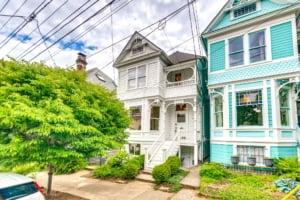
Housing largely consists of early-20th-century bungalows and Craftsman homes with front porches, mature landscaping, and original architectural details. Sunnyside appeals to people who value historic homes, established streets, and close proximity to Portland’s street-level culture. Many compare it to inner neighborhoods in college towns or mid-sized cities.
Woodlawn
Woodlawn centers itself around Woodlawn Park and a strong sense of community that has long defined the neighborhood. In recent years, areas like the Dekum Triangle have welcomed thoughtfully designed restaurants, bars, and neighborhood gathering spots that add vibrancy without overwhelming the residential feel.
Housing ranges from older cottages and classic Portland bungalows to modern infill and small multi-unit developments, reflecting steady, intentional growth. This mix attracts a wide range of buyers, from first-time homeowners to long-term residents. People often compare Woodlawn to growing neighborhoods in Boise or Spokane, where community and livability guide change.
What Should You Consider When Choosing a Portland Neighborhood to Live In?
In Portland, neighborhood choice often matters more than the house itself. Two homes with similar price points, square footage, or finishes can feel completely different based on their location. Neighborhood context shapes daily routines, how you move through the city, and how connected you feel to your surroundings in ways that extend far beyond the property line.
When you’re deciding where to live in Portland, several factors tend to matter most and help explain why so many people find the city such a compelling place to call home:
- Commute patterns and bridges: Portland’s rivers and bridges actively shape daily life. Crossing the Willamette can be quick or time-consuming depending on timing and route, so many people choose to live on the same side of the river as work, school, or frequent commitments.
- Walkability and daily errands: Many Portland neighborhoods center around walkable main streets where grocery stores, coffee shops, restaurants, and services sit close to home. Running errands on foot or by bike plays a major role in quality of life for many residents.
- Access to parks and green space: From neighborhood parks to major destinations like Mt. Tabor, Forest Park, and riverfront trails, green space weaves itself into everyday life. Some neighborhoods feel especially connected to nature, shaping how residents spend evenings and weekends.
- Housing style and age: Portland offers a large inventory of older homes, including Craftsman bungalows, cottages, and mid-century houses, alongside newer infill and modern construction. Neighborhoods often lean toward certain housing styles, which influences maintenance needs, layouts, and long-term planning.
- Street feel and pace: Some neighborhoods feel quiet and residential, while others buzz with activity late into the evening. Even within the same quadrant, the pace can shift dramatically from one area to the next.
- Schools and long-term planning: Buyers thinking long-term often weigh school options, neighborhood stability, and future development plans heavily when choosing where to live.
- Community and social life: Portland neighborhoods foster strong local identities. Farmers markets, neighborhood bars, community events, and even favorite walking routes quickly become part of daily routines and social connections.
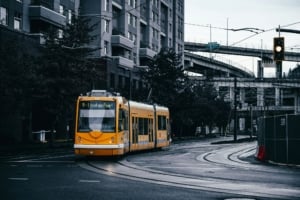
- Transit, biking, and car-free living: Car culture isn’t for everyone. Some neighborhoods make it easy to live with fewer vehicles or rely on public transit and biking, while others better suit drivers or people with longer commutes.
Because of all this, exploring neighborhoods in person matters. Spending time on main streets, visiting parks, and paying attention to how a neighborhood feels at different times of day can reveal far more than a real estate listing ever will. In Portland, finding the right neighborhood often means finding a lifestyle that fits, and that’s what turns a new city into home.