Dear Claire: Should I Move to the City or the Country?
Dear Claire, I love the energy and convenience of living in the city, but I keep dreaming about more land, more privacy, and maybe even a few animals. How do I decide whether I should stay in the city or move to the country?
This is one of those questions where I have to begin with the answer nobody really wants to hear: It depends.
There is no universally better place to live. City life works beautifully for some people, while others are much happier when the nearest neighbor is barely visible from the end of the driveway.
The important thing is understanding what daily life will actually look like in each setting. It is easy to romanticize both.
The city can sound like endless restaurants, walkable neighborhoods, public transportation, and something interesting happening around every corner. The country can sound like peaceful mornings, open space, fresh eggs, and a beautiful garden stretching toward the horizon.
Both versions can be true.
But city living can also mean noise, traffic, limited parking, smaller lots, and looking out your kitchen window directly into your neighbor’s house.
Country living can mean wells, septic systems, long drives, fences that need repairing, fallen trees, mud, animals that refuse to cooperate, and much more maintenance than you expected.
So, when someone asks me whether they should move to the city or the country, I do not start by asking which one sounds better. I ask, “What kind of life do you want to live on an ordinary Tuesday?”
Why Do So Many People Choose Urban Living?
 According to the 2020 Census, approximately 80% of the United States population lived in areas classified as urban. That does not mean 80% of Americans live in the middle of a major downtown. The Census Bureau’s urban classification includes a wide range of densely developed communities, but the number still tells us something important: most people choose to live relatively close to other people, services, jobs, and amenities.
There are plenty of good reasons for that.
Cities tend to put more of your daily needs within easy reach. Depending on the neighborhood, you may be able to walk to a coffee shop, grocery store, restaurant, park, school, library, or neighborhood business.
You may also have more options for:
- Public transportation
- Arts and entertainment
- Medical care
- Employment
- Education
- Shopping
- Community events
- Restaurants and nightlife
Here in Portland, neighborhood identity is also a significant part of city living.
Living in Sellwood feels different from living in Kenton. Alberta Arts offers a different daily experience than Multnomah Village, downtown Portland, or Northwest Portland.
You may choose a neighborhood because you can walk to dinner, catch a bus or MAX line, bike to work, or spend Saturday morning browsing local shops.
For many buyers, that convenience is worth giving up a larger house or yard.
City Living Can Make Daily Life Easier
One of the greatest advantages of living in the city is that routine tasks may require less planning.
You may be able to stop at the grocery store on the way home instead of driving 30 minutes each way.
If something breaks, you usually have a larger selection of contractors and service providers nearby.
Internet, electricity, public water, sewer service, garbage collection, and emergency services are generally part of an established urban infrastructure.
That does not mean city utilities never have problems. It simply means the homeowner is less likely to be personally responsible for maintaining the systems that supply water or handle wastewater.
In the country, you may own the well that supplies your water and the septic system that manages everything leaving the house.
In the city, you typically pay a utility bill.
That difference becomes very meaningful when something stops working.
Urban Homes May Require Less Land Maintenance
A smaller city lot can be a limitation, but it can also be a relief.
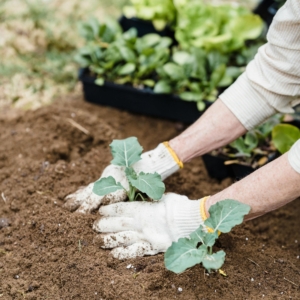 Not everyone wants to spend weekends mowing acres, clearing brush, repairing fencing, trimming trees, or maintaining a gravel driveway.
A city yard may still require attention, especially in Portland, where plants can grow…enthusiastically at certain times of the year. But there is a big difference between maintaining a typical residential lot and caring for five, ten, or twenty acres.
I have met plenty of buyers who initially saw acreage as freedom. Several years later, some still loved it, while others realized the property had become a second job.
There is nothing wrong with wanting a smaller, more manageable property. More land is not automatically better if it takes time away from the life you actually want to live.
What Are the Downsides of Living in the City?
Depending on your preferences, of course, the most obvious one is proximity. Your neighbors are close. Sometimes very close.
You may hear their music, their dog, their construction project, or their early morning leaf blower. You might look out one window and see directly into someone else’s home. Your outdoor space may feel less private, and neighborhood parking can become a daily source of frustration.
Cities may also come with:
- More traffic
- Greater ambient noise
- Smaller lots
- Less privacy
- Parking restrictions
- More visible neighborhood activity
- Higher purchase prices in particularly desirable areas
A buyer may be able to purchase more house or land farther outside the urban core than they could afford in a popular city neighborhood. However, that comparison should include more than the purchase price.
A less expensive rural home may require more driving, fuel, equipment, maintenance, or investment in private systems. The house can cost less, while the lifestyle costs more than expected.
Why Does Country Living Appeal to So Many Buyers?
For many people, the answer is space.
 You may have enough room for a large garden, workshop, barn, greenhouse, orchard, animals, equipment, or simply distance from your neighbors.
You can step outside without feeling like the entire neighborhood is watching.
There may be fewer cars, less noise, darker skies at night, and a greater sense of connection to the surrounding landscape.
Some buyers want acreage because they have a specific plan. Over the years, I have worked with people who wanted to raise chickens, keep bees, care for alpacas, grow crops, establish orchards, or operate small farms. I have even worked with someone who owned a Christmas tree farm, which was incredibly interesting.
Other buyers do not want the added work at all. They just want quiet, privacy, a big garden, and enough space for their dogs to run.
Those are all valid reasons to consider a rural property.
The key is making sure you are choosing the real version of country life, not only the beautiful version you experienced during a Sunday afternoon showing.
Acreage Is Wonderful, but It Is Work
Land needs attention. Owning a larger property may involve additional responsibilities like:
- Mowing or brush cutting
- Invasive plant management
- Fence maintenance
- Tree care
- Drainage work
- Pest control
- Road or driveway upkeep
- Outbuilding repairs
- Wildfire preparation
- Snow, ice, or storm cleanup
- Animal care
 If you have livestock, the work becomes even more constant. Animals do not care that you are tired, busy, sick, traveling, or hoping to sleep late. They need food, water, shelter, fencing, medical care, and protection every day.
A few chickens can be manageable. A larger farm operation will become an entirely different lifestyle.
Before buying acreage, I encourage people to be honest about whether they love the work itself or only love the image of the result. Wanting fresh eggs is not necessarily the same as wanting to clean a chicken coop in cold rain.
Rural Properties Require Different Due Diligence
When you purchase a typical city home, you are primarily evaluating the house, lot, title, neighborhood, and municipal services.
With rural property, you may be evaluating an entire collection of interconnected systems.
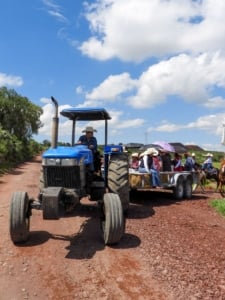 The land itself can be just as important as the house.
Questions may include:
- What is the property’s zoning?
- Which uses are permitted?
- Can I keep the type and number of animals I want?
- Can I build a barn, shop, arena, or accessory dwelling?
- Is the property in a floodplain?
- Are there wetlands or protected areas?
- Are there water rights?
- Is the road publicly or privately maintained?
- Are there recorded easements?
- Is there legal access?
- Is the well productive?
- Is the water safe?
- Is the septic system adequate?
- Are the outbuildings permitted?
- Is the land subject to farm or forest-use requirements?
You cannot look at ten acres and assume you can use it any way you want. Oregon’s land-use system protects significant amounts of rural land for farming and forestry. Exclusive Farm Use and forest zoning can limit development and uses that conflict with agriculture or resource production.
That means the beautiful open field you imagine turning into a wedding venue, second home, large workshop, or subdivision may not legally support that use.
Always verify zoning and allowed uses with the appropriate county before getting the ball rolling on your future plans.
Wells Deserve Serious Attention
Many rural properties depend on private wells rather than public water. That means your water does not simply arrive because a utility company maintains the system. You need to understand the, well, well, well! (See what I did there?)
Questions include:
- How deep is it?
- What is the flow rate?
- Has the flow changed seasonally?
- Where is the well located?
- Are there maintenance records?
- What is the condition of the pump and pressure tank?
- Is the water quality acceptable?
- Is the well shared with another property?
In Oregon, when real estate with a domestic well is sold or exchanged, the seller is generally required to test the well water for specified contaminants and share the results as part of the real estate transaction process. That required testing is useful, but it does not answer every question about the well’s physical condition or long-term production.
A water-quality test tells you what is in the water sample. It does not necessarily tell you whether the well will produce enough water during a dry summer or whether the pump is near the end of its useful life. Those are separate considerations.
Septic Systems Are Another Major Difference
Rural homes frequently use septic systems instead of municipal sewer service. A septic system can work reliably for many years when it is properly designed, used, and maintained. However, repairs or replacement can be expensive, and not every property has an easy location for a replacement system.
Buyers should hire a qualified inspector to evaluate an existing septic system before purchasing a property. I want rural buyers to understand:
- Where the tank is
- Where the drain field is
- When the tank was last pumped
- Whether records and permits exist
- Whether the system matches the home’s bedroom count
- Whether there is an adequate replacement area
- Whether there are signs of failure
You also need to know how your plans could affect the system. Adding bedrooms, building over the drain field, driving heavy equipment across it, or adding a large accessory structure may create problems. This is not a reason to avoid rural homes. It is simply a reason to investigate them carefully.
Will Property Taxes Be Lower in the Country?
Sometimes they are, but I would not assume that every rural property automatically has low taxes. Taxes vary by assessed value, taxing districts, property history, location, and other factors.
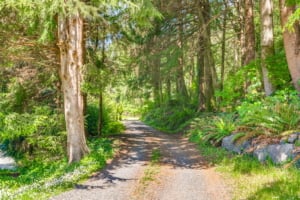 Some farm and forest properties may qualify for special assessment programs that value qualifying land based on its farm or forest use rather than its ordinary market value. Oregon’s Department of Revenue specifically identifies farmland and forestland among the property categories that may qualify for special assessment. That can result in a meaningful tax benefit.
However, it is not simply a discount for owning a large yard. The property has to qualify under the relevant program, and continued eligibility may depend on use, zoning, filing requirements, or income standards. Changing the property’s use or removing land from special assessment may also create tax consequences.
Before buying a property because the current taxes appear unusually low, ask:
- Why are the taxes low?
- Is the land receiving a special assessment?
- Will the status continue after the sale?
- What obligations come with it?
- Could changing the use trigger additional taxes?
The county assessor and a qualified tax professional are the appropriate resources for property-specific answers.
The Commute Can Change Everything
A country home may feel peaceful during a weekend showing. Now make the drive into work at 7:30 on a rainy Tuesday morning. Then make it again after dark. Think about school drop-offs, work, medical appointments, grocery shopping, sports practices, dinner with friends, and airport trips.
A 40-minute drive does not sound terrible once. Repeated every day, it can reshape your entire routine.
Remote work has given some buyers more flexibility, but even remote workers should confirm the quality and reliability of internet and cellular service. Also, do not assume fast internet is available because the listing says “internet available.”
Find out:
- Which provider serves the address
- What connection type is offered
- What speeds are actually available
- Whether the service is reliable
- Whether there are data limits
- Whether cellular backup works
For many people, internet access is as essential as electricity or water.
Emergency Services May Be Farther Away
Living farther from town can mean longer response times for fire, medical, and law-enforcement services. It may also affect insurance availability and cost, especially when a property is far from a fire station, lacks nearby hydrants, has difficult access, or sits in an area with elevated wildfire exposure.
Before buying, speak with an insurance professional who understands rural properties. Do not wait until the week before closing to discover that the house is difficult or expensive to insure.
Consider the Social Side of the Decision
People often focus on the physical property and forget about the community. In the city, social interaction can happen almost automatically. You see neighbors while walking the dog. You run into friends at a coffee shop. You can meet someone for dinner without making a major plan.
Country living may offer quiet, but quiet can sometimes become isolation. That is not necessarily bad. Some people thrive with more solitude. But ask yourself how much you value spontaneous interaction, nearby family, neighborhood events, or easy access to your existing community.
You are not only choosing a house. You are choosing how far you will be from the people and places that currently shape your life.
You May Not Need to Choose an Extreme
The decision is not always between a downtown condominium and a remote 40-acre farm. The Portland metro area offers plenty of middle-ground options.
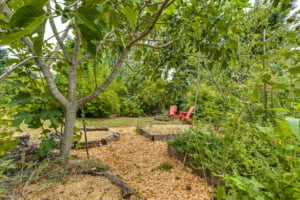 You might find:
- A larger city lot
- A home on the urban fringe
- A small town with a walkable center
- A suburban property with room for gardening
- One or two acres close to services
- A rural property within a manageable commute
Sometimes buyers say they want “the country,” but what they really want is more privacy and a larger yard. Others say they want “the city,” but what they really need is to be within 15 minutes of groceries, medical care, and restaurants.
Once we identify the actual priority, the search often becomes much clearer.
Questions to Ask Before Choosing the City
Ask yourself:
- How important is walkability?
- Do I regularly use public transportation?
- How much privacy do I need?
- Am I comfortable with neighborhood noise?
- Would I rather have a smaller home in a more convenient location?
- How often do I use restaurants, cultural venues, parks, and local businesses?
- Do I enjoy caring for a yard?
- How important is a short commute?
- Would parking limitations frustrate me?
- Do I want established municipal utilities?
Questions to Ask Before Choosing the Country
Ask yourself:
- How much land do I genuinely want to maintain?
- What do I plan to do with the property?
- Are those uses legally permitted?
- Am I comfortable managing a well and septic system?
- Can I afford equipment and ongoing land maintenance?
- How far am I willing to drive for groceries, work, school, and healthcare?
- Is internet access adequate?
- How will winter weather affect access?
- Do I want animals enough to care for them every day?
- Would I feel peaceful or isolated?
- Do I have money available for large rural-system repairs?
Frequently Asked Questions About Urban and Rural Living
Is it cheaper to live in the country?
Not always. Rural homes may offer more land for the purchase price, but buyers should also consider commuting, fuel, wells, septic systems, equipment, road maintenance, insurance, and upkeep.
Are rural property taxes always lower?
No. Some qualifying farm or forest land may receive a special assessment, but taxes depend on the individual property and applicable programs. Verify the current assessment and future eligibility with the county assessor.
Can I put animals on any property with acreage?
No. Zoning, deed restrictions, lot size, environmental rules, and local ordinances may limit the species, number of animals, buildings, or activities allowed.
Should I inspect a well and septic system before buying?
Yes. Review required water-quality information and consider appropriate well and septic inspections. Oregon DEQ specifically recommends a qualified inspection of an existing septic system before purchase.
Is city living better for resale?
It depends on the individual property and market. Well-located city homes may appeal to buyers seeking convenience, while desirable rural properties can attract buyers looking for privacy and land. Condition, pricing, access, utilities, and local demand all matter.
How much acreage do I need?
That depends entirely on your goals. A large garden and a few chickens may require far less land than livestock, commercial agriculture, or extensive privacy. More acreage also means more maintenance.
My Final Thoughts
There is no correct answer to the city-versus-country question. The city offers convenience, energy, culture, infrastructure, and proximity. The country offers space, privacy, flexibility, and a closer relationship with the land. Both come with compromises.
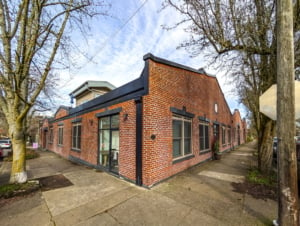 I have helped people move from city neighborhoods to acreage, and I have helped people leave acreage because they were ready for a simpler life closer to restaurants, healthcare, friends, and everyday services.
Neither move represents progress nor retreat. It is simply a change in priorities. The best decision is the one based on how you actually want to spend your time.
Do you want to walk to coffee on Saturday morning, or do you want to feed chickens before breakfast? Do you want neighbors nearby, or do you want to see trees outside every window? Would you rather pay for a smaller home in a convenient location, or take responsibility for more land and private systems?
When you can answer those questions honestly, the real estate decision usually becomes much easier.
About Claire Paris
Claire Paris is the Owner and Principal Broker of Paris Group Realty, LLC. She has been practicing real estate since 2004 and is licensed in both Oregon and Washington.

If you have a real estate question you’d like me to answer in a future Dear Claire, we’d love to hear it. And if you’re thinking about buying, selling, or investing in real estate, our team is always here to help. Get in touch—we’d love to be part of your next chapter.
Looking for more real estate tips and advice? Be sure to subscribe to the Paris Group Realty, LLC YouTube channel, where you’ll find hundreds of videos covering everything from buying and selling a home to Portland neighborhoods, home maintenance, financing, market updates, investment properties, and answers to many of the most common real estate questions.