Radon and Your Home
Understanding the Radon Threat: Protecting Your Home, Health, and Investment
January is Radon Action Month, making it the perfect time to revisit (annually!) one of the most overlooked risks facing homeowners and buyers in the Portland metro area. Property maintenance isn’t just about curb appeal or avoiding surprise repairs. It’s about protecting your health and safeguarding what is often your largest financial investment. Radon sits squarely at the intersection of both.
Invisible, odorless, and naturally occurring, radon gas can quietly accumulate inside homes and pose serious long-term health risks if left unaddressed. The good news is that testing is simple, mitigation is effective, and awareness goes a long way toward prevention. If you’re buying, selling, or already own a home in Portland, Oregon, understanding radon is essential.
What is radon and why does it matter?
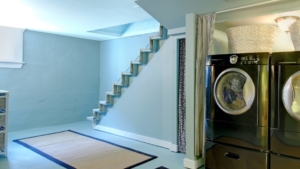
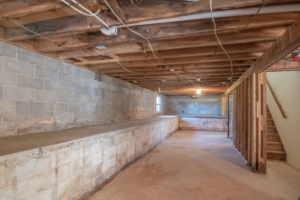
Radon is a radioactive gas produced by the natural breakdown of uranium found in soil, rock, and water. Outdoors, it disperses harmlessly into the air. Indoors, it can become trapped and concentrate to dangerous levels, particularly in basements, crawl spaces, and lower living areas.
Radon has no smell, taste, or color. There are no immediate warning signs, no symptoms you can feel, and no way to detect it without testing.
According to the Environmental Protection Agency (EPA), radon is the second leading cause of lung cancer in the United States, responsible for an estimated 21,000 deaths each year. Long-term exposure, even at moderate levels, significantly increases cancer risk for both smokers and non-smokers.
To put exposure into perspective, a home with radon levels of 4.0 pCi/L exposes occupants to roughly 35 times more radiation than what the Nuclear Regulatory Commission allows at the boundary of a radioactive waste site. This is why national and international health organizations consistently recommend routine radon testing.
Why is radon a concern in Portland and the Pacific Northwest?
Homes in the Portland, Oregon face elevated radon risk due to regional geology, soil composition, and moisture levels. Wet winters, well-sealed modern construction, and the prevalence of basements and crawl spaces can all contribute to higher indoor radon concentrations.
Radon levels vary widely from house to house, even within the same neighborhood. Two adjacent homes can test dramatically differently depending on foundation type, soil conditions, and ventilation. Because of this variability, maps and regional averages can only indicate risk, not confirm safety.
Testing your specific home is the only reliable way to know your radon exposure.
How does radon enter a home?
Radon typically enters through contact points between the house and the ground, including:
• Cracks in concrete slabs or foundation walls
• Gaps around sump pumps, pipes, or utility penetrations
• Crawl spaces with exposed soil
• Floor drains and construction joints
Once inside, radon can build up to higher concentrations, especially in lower levels where air pressure differences draw soil gases upward into the home.
How do you test your home for radon?
Finally, some good news. Testing is straightforward, affordable, and one of the most impactful steps you can take as a homeowner. There are two primary testing approaches:
Long-term self-testing
Ironically, the most accurate radon test is also the least expensive. Long-term charcoal or alpha-track test kits typically cost around $50 and remain in place for several months. They provide the most reliable average reading by accounting for seasonal fluctuations.
These kits are available at hardware stores, online, or sometimes through Oregon public health programs.
Short-term testing for real estate transactions
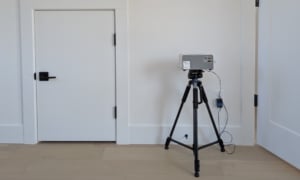
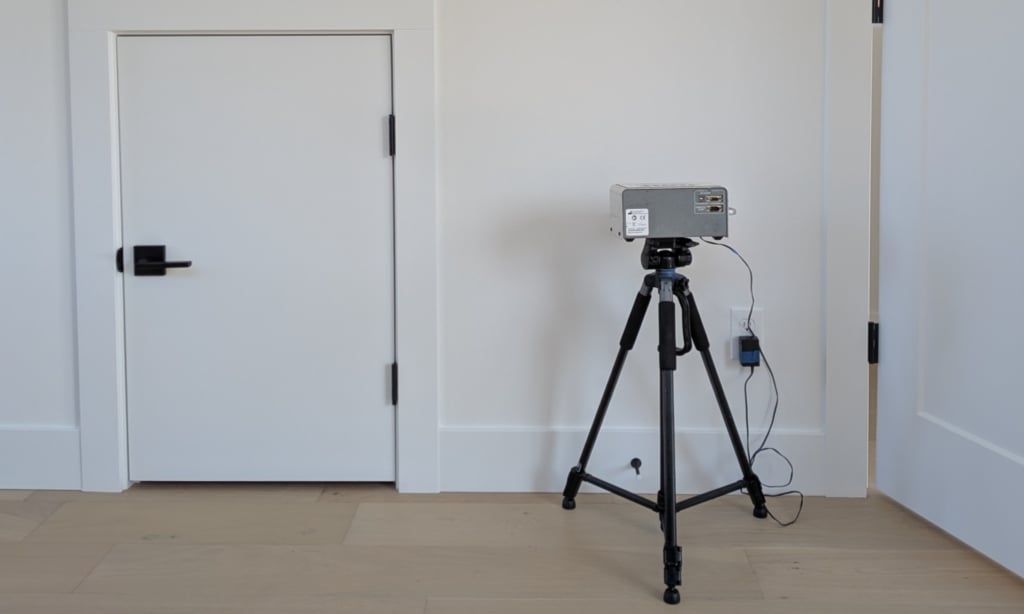
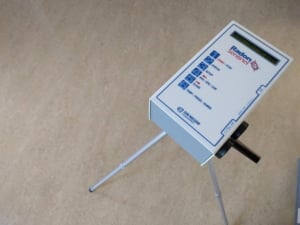
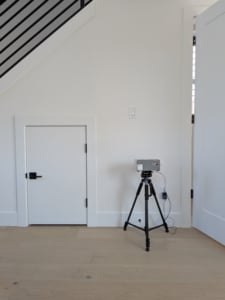
In home purchases, time constraints usually require faster results. Continuous radon monitors (CRMs) are placed by inspectors in the lowest livable area of the home for a 48-hour testing period. These devices record hourly radon levels and generate a report suitable for negotiation during escrow.
If results are 4.0 pCi/L or higher, the EPA recommends taking corrective action.
 Radon mitigation: effective, proven, and manageable
Discovering elevated radon levels can feel alarming, but mitigation is both common and highly effective. Most radon reduction systems focus on preventing soil gases from entering the home and safely venting them above the roofline. The most effective method is active soil depressurization, which may include:
• Sealing foundation cracks and entry points
• Installing a vapor barrier over crawl space soil
• Adding a vent pipe and fan system that continuously draws radon from beneath the home
In most cases, these systems reduce radon levels by 80–99 percent.
Typical mitigation costs under $5,000 depending on the home’s foundation, layout, and whether lower levels are finished. Installation is usually completed in one day with minimal disruption to daily life.
Radon considerations when buying a home
For buyers, radon testing should be part of a comprehensive inspection strategy, especially in Portland-area homes with basements or crawl spaces.
If elevated levels are discovered, buyers can often negotiate:
• Seller-paid mitigation prior to closing
• A credit toward mitigation costs
• Adjusted pricing to reflect improvements
Radon mitigation is widely viewed as a standard, solvable issue rather than a deal-breaker, particularly when addressed proactively.
Radon and home sellers: why testing early matters
Sellers benefit from testing before listing. Early testing allows you to control timing, contractor selection, and cost rather than reacting under escrow deadlines. It also signals transparency and responsibility to buyers.
A mitigated home with documented low radon levels can reduce buyer anxiety and streamline negotiations.
 Radon-resistant construction for new homes
For new construction, radon prevention is even simpler. Builders can incorporate radon-resistant features during construction, such as sub-slab ventilation piping and crawl space vapor barriers, at a fraction of the cost of retrofitting later.
If you’re buying a newly built home, ask whether radon-resistant techniques were included and whether pre-installation vent piping was capped for future activation.
Why retesting is important
Radon levels are not static. Changes in soil conditions, foundation settling, remodeling projects, and seasonal pressure differences can all alter indoor radon concentrations over time.
The EPA recommends retesting every two to five years, after major renovations, or when buying or selling a home. Regular testing is a simple part of responsible property maintenance.
Radon awareness is part of smart homeownership
Radon is invisible, but the risk is real. Fortunately, it’s also one of the most manageable environmental hazards homeowners face.
Testing is easy. Mitigation is effective. And awareness empowers you to make informed decisions that protect both your health and your investment.
If you live in or are buying a home in Portland, Oregon, Radon Action Month is a timely reminder that proactive maintenance goes beyond what you can see.
Need guidance on radon testing or mitigation?
At Paris Group Realty, LLC, we help buyers and sellers navigate radon testing and connect with trusted local mitigation professionals. Whether you’re preparing to list, negotiating a purchase, or simply want peace of mind in your current home, we can point you in the right direction.
Reach out anytime at info@parisgrouprealty.com or call (503) 926-5213.