Investment Property in Portland
Where Are the Best Opportunities in 2026?
Real estate investing has always been a long game—but in a market like Portland in 2026, it’s also become a more thoughtful one.
Gone are the days of rapid appreciation doing most of the work for you. Today’s investors are asking more nuanced questions. Where is there real, sustainable demand? What types of properties actually perform? And how do you balance current cash flow with long-term growth?
Whether you’re considering your first investment property or looking to expand your portfolio, the Portland market still offers meaningful opportunities. The key is understanding where those opportunities exist right now—and how they align with your goals.
Why Portland Still Attracts Real Estate Investors
Even with market fluctuations over the past few years, Portland continues to hold strong fundamentals that make it attractive for long-term investment.
At its core, Portland remains a city people want to live in. The combination of neighborhood character, access to nature, strong local culture, and a relatively stable job base continues to drive housing demand. While growth has moderated compared to peak years, demand hasn’t disappeared—it’s simply become more measured.
This is important for investors. A market that grows steadily, rather than explosively, often creates more sustainable long-term outcomes. Renters are still here. Buyers are still here. And the underlying appeal of Portland’s neighborhoods continues to support both.
What’s Different About Investing in 2026
The biggest shift in today’s market is that deals require more intention.
Interest rates are higher than they were during the pandemic-era surge, which impacts financing and monthly costs. Price growth has leveled out in many areas, meaning investors can’t rely solely on appreciation to justify a purchase.
At the same time, competition has cooled. There are fewer bidding wars. More opportunities to negotiate. More time to analyze a property before making a decision.
In many ways, this is a healthier environment for investors—especially those who are focused on fundamentals rather than speculation.
The Types of Investment Opportunities We’re Seeing Right Now
Not all investment properties perform the same, and in Portland, the type of property you choose matters just as much as the location.
Single-family homes continue to be a popular entry point, particularly in neighborhoods with strong rental demand. These properties tend to attract long-term tenants and can offer stable appreciation over time. They also provide flexibility—many investors start with a home they could see themselves living in if needed.
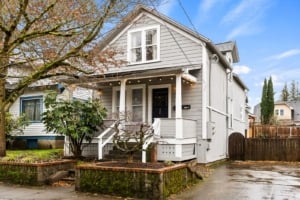
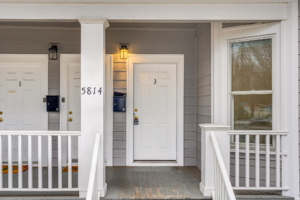
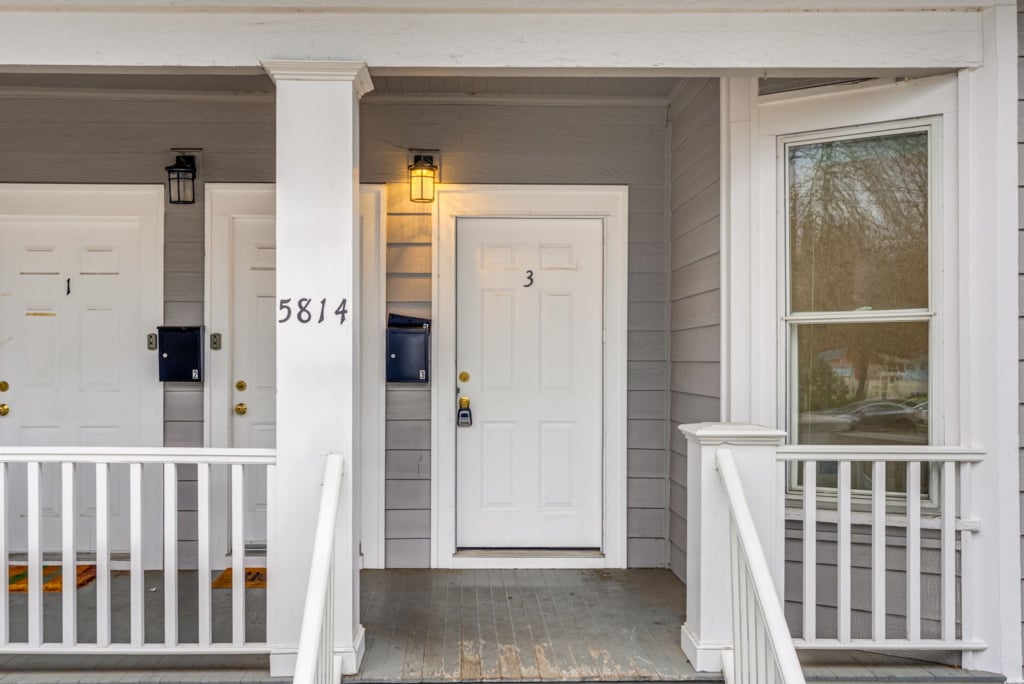
Multi-family properties, such as duplexes or triplexes, offer a different kind of opportunity. With 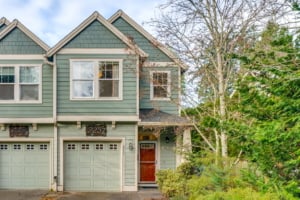 multiple income streams under one roof, they can provide stronger cash flow and reduce risk if one unit becomes vacant. Portland’s zoning and neighborhood patterns create pockets where these properties are especially valuable.
Then there are homes with ADU potential—or existing accessory dwelling units. These have become increasingly attractive as a way to generate additional income from a single property. Whether used for long-term rentals or multigenerational living, ADUs create flexibility that many investors are prioritizing.
Fixer properties are also back in the conversation. With less competition, investors have more room to add value through improvements, rather than competing on fully renovated homes at premium prices.
Where Are the Opportunities in Portland?
Real estate is always local, and in Portland, that’s especially true. Different neighborhoods offer different types of investment potential depending on your strategy.
In areas like Montavilla, investors are drawn to a mix of affordability and strong community appeal. The neighborhood continues to attract renters who want access to local businesses, parks, and a sense of identity without the price tag of closer-in neighborhoods.
Kenton and St. Johns have also been gaining extra attention. These areas offer relative value compared to other parts of North Portland, along with distinct neighborhood character that appeals to long-term renters. As infrastructure and local amenities continue to improve, these neighborhoods present opportunities for both appreciation and rental stability.
On the east side, neighborhoods like Foster-Powell and Lents are being watched closely. These areas have seen gradual improvement over time and offer entry points that are more accessible for investors looking to get started.
Closer-in districts such as Alberta Arts, Mississippi, and Division continue to command higher prices, but they also offer strong rental demand and long-term desirability. For investors with a focus on appreciation and tenant stability, these areas remain compelling.
The key is matching the neighborhood to your strategy. There isn’t a single “best” area—only the area that best supports what you’re trying to achieve.
Rental Demand in Portland: What Tenants Are Looking For?
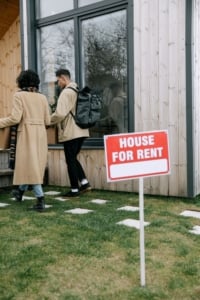 Understanding what renters want is just as important as understanding pricing.
Today’s renters in Portland are more intentional about their choices. They’re looking for homes that feel livable, not just functional. That means thoughtful layouts, natural light, and spaces that support both daily routines and downtime.
Location still plays a major role. Walkability, access to transit, and proximity to local businesses all influence rental demand. Neighborhood identity matters—people want to feel connected to where they live.
There’s also a continued emphasis on flexibility. Even as work patterns evolve, many renters still value having space for a home office or adaptable living areas.
Outdoor space, even in smaller forms like patios or shared yards, continues to be a draw. And features like in-unit laundry, updated kitchens, and energy efficiency can make a meaningful difference in both rent potential and tenant retention.
Investors who pay attention to these details tend to see stronger, more consistent performance.
Cash Flow vs. Appreciation: Finding the Right Balance
One of the most important decisions for any investor is how to balance cash flow and appreciation.
In some markets, the focus leans heavily toward appreciation—buying in high-demand areas with the expectation that values will increase over time. In others, the emphasis is on immediate income, even if long-term growth is more modest.
Portland often sits somewhere in the middle.
In 2026, cash flow has become a more central part of the conversation. With higher borrowing costs, investors are paying closer attention to monthly numbers—rent, expenses, and overall return.
At the same time, Portland’s long-term appeal still supports appreciation as part of the equation. The city’s neighborhoods, lifestyle, and housing constraints continue to create upward pressure over time.
The goal isn’t to choose one over the other, but to understand how each property fits into that balance.
Should You Wait to Invest?
This is one of the most common questions right now: is it better to wait?
 The thinking is similar to what we see with buyers in general. Some investors are hoping for lower prices or lower interest rates in the future.
And while those things could happen, there’s a tradeoff.
If rates come down, more investors are likely to re-enter the market. That can increase competition and push prices up. The deals that feel more accessible today may become harder to find.
At the same time, waiting means delaying potential income and missing out on time in the market—something that often matters more than timing the market.
That doesn’t mean you should rush into a purchase. It means the decision to wait should be intentional, based on your financial position and goals rather than trying to predict short-term shifts.
For Homeowners: Turning Your Current Property Into an Investment
For many Portland homeowners, the path into investing doesn’t start with buying something new—it starts with rethinking what they already own.
If you’ve built equity in your home, you may have options. Some homeowners choose to convert their current property into a rental and purchase a new primary residence. Others explore adding an ADU to create an additional income stream.
This approach can be especially appealing for those who secured lower interest rates in previous years. Holding onto that financing while generating rental income can create a strong long-term position.
Of course, it comes with considerations—property management, maintenance, and understanding rental regulations—but for the right situation, it can be a powerful strategy.
What Makes a “Good” Investment Property Today
In today’s Portland market, a good investment property isn’t defined by hype or short-term trends. It’s defined by fundamentals.
It’s a property that makes sense financially, with realistic rent projections and manageable expenses. It’s located in a neighborhood with consistent demand, not just temporary popularity.
It has features that attract and retain tenants. It offers flexibility for different scenarios. And it aligns with your overall goals—whether that’s income, appreciation, or a combination of both.
Perhaps most importantly, it’s a property you understand. One you’ve had time to evaluate, not one you felt pressured into.
A More Thoughtful Approach to Investing
If there’s one theme that defines real estate investing in Portland right now, it’s intention.
The market isn’t about rushing. It’s about understanding.
Understanding your numbers. Understanding your goals. Understanding how a property fits into both.
For some investors, that means acting now, taking advantage of current conditions and opportunities. For others, it means preparing—getting finances in order, learning the market, and waiting for the right moment to step in.
Both approaches can work. The difference is clarity.
Let’s Talk Through Your Investment Goals

Whether you’re just starting to explore the idea of investing or looking to expand what you already have, it’s worth having a conversation.
Not because you need to make a move immediately, but because understanding your options can help you make better decisions when the right opportunity comes along.
We can help you think through:
-
What types of properties align with your goals
-
Which Portland neighborhoods make sense for your strategy
-
What current opportunities look like
-
How to structure a purchase in today’s market
From there, you can decide what the next step should be—on your timeline, and in a way that feels right for you.
The Bottom Line
Portland remains a market with real potential for investors—but success today looks different than it did a few years ago.
It’s less about chasing rapid growth and immediate income and more about building something sustainable. Less about reacting quickly and more about acting thoughtfully.
The opportunities are still here. The question is how you choose to approach them.
And when you do it with clarity, intention, and a long-term perspective, real estate investing in Portland can still be one of the most powerful tools for building wealth over time.