
Dear Claire: What is House Flipping?
Dear Claire, I’ve been watching a lot of home renovation shows lately, and they make flipping houses look like a great way to make money. I enjoy home improvement projects and have always thought it would be fun to buy a fixer-upper, renovate it, and sell it for a profit. Is house flipping really as good of an investment as it seems, or am I missing something?
Every few months, someone asks me this question, and I completely understand why.
Fun TV shows make house flipping look exciting. You find the worst house on the block, spend a few weekends knocking down walls and installing new cabinets, then sell it a few months later for a huge profit. The credits roll, everyone smiles, and it all looks surprisingly simple.
The reality is usually much different.
Can people make money flipping houses? Absolutely. I know investors who have built successful businesses doing exactly that.
But here’s the part that television rarely shows you.
Most successful house flippers aren’t simply enthusiastic homeowners. They’re experienced professionals. Many have construction backgrounds, contractor licenses, long-standing relationships with subcontractors, access to wholesale pricing, and years of experience estimating renovation costs before they ever make an offer.
That’s why my advice has always been the same: House flipping is only for a select group of people.
That doesn’t mean you shouldn’t learn about it. It simply means you should understand exactly what you’re getting into before deciding it’s the right investment strategy for you.
What Is House Flipping?
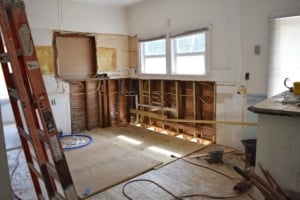
At its core, house flipping is fairly straightforward.
Instead of purchasing a home to live in or hold as a long-term rental investment, you’re buying it with one goal in mind: improving it and selling it as quickly as possible for a profit.
The timeline is typically measured in months rather than years.
A successful flip usually involves purchasing a property below market value, making strategic improvements, controlling renovation costs, and selling the home quickly enough that carrying expenses don’t eat away at your profit.
On paper, it sounds simple.
In practice, every one of those steps can become more complicated than expected.
The Math Has to Work
One of the biggest misconceptions about house flipping is that every dollar you spend improving a home automatically increases its value by a dollar—or more.
That’s just not how residential real estate works. In fact, many remodeling projects return less than they cost.
Let’s use a kitchen remodel as an example.
Suppose you spend $15,000 updating cabinets, countertops, flooring, lighting, and appliances. Depending on the project and the local market, that renovation may increase the home’s value, but not necessarily by the full $15,000.
That’s because buyers are evaluating the entire home, not just one room. A beautiful kitchen certainly makes a property more attractive, but it doesn’t automatically create a dollar-for-dollar return on your investment.
Professional flippers understand this before they begin. They’re not simply renovating a house. They’re carefully choosing improvements that maximize buyer appeal while keeping costs under control.
Why Professionals Have an Advantage
This is where experienced investors separate themselves from beginners.
Most professional flippers aren’t paying retail prices for everything. They often have relationships with suppliers, contractors, electricians, plumbers, cabinet shops, flooring companies, and painters they’ve worked with for years. Instead of paying full price at the home improvement store, they may receive contractor pricing or volume discounts.
Many can also perform significant portions of the work themselves. If you’re a licensed contractor or an experienced carpenter, replacing flooring, building cabinets, installing trim, or remodeling bathrooms may primarily cost you materials and your own labor.
For someone hiring every trade at retail pricing, those same projects become dramatically more expensive. That’s one reason two people can renovate the exact same house and end up with very different financial outcomes.
The Costs People Forget
When first-time investors estimate a flip, they often focus on just three numbers:
- Purchase price
- Renovation budget
- Expected selling price
Unfortunately, those aren’t the only expenses. There are also carrying costs that continue every month you own the property. Those might include:
- Mortgage payments
- Property taxes
- Homeowners insurance
- Utilities
- Landscaping
- Permit fees
- Dumpster rentals
- Loan interest
- Maintenance
- Unexpected repairs
Then, when it’s time to sell, there are additional expenses like real estate commissions, title and escrow fees, and closing costs. Individually, none of these costs seem overwhelming. Together, they can significantly reduce your profit if you haven’t planned for them from the beginning.
Renovations Almost Always Reveal Surprises
If you’ve ever owned an older home, you probably already know this lesson. Projects have a way of growing.
You remove old flooring and discover damaged subfloors. You open a wall and find outdated plumbing. You replace cabinets and realize the electrical wiring doesn’t meet current code. Every experienced contractor expects surprises. Many first-time flippers don’t.
That’s why renovation budgets should always include a contingency fund for unexpected issues. Houses have a remarkable ability to remind us they’re more complicated than they first appear.
Time Is Money
Another thing TV shows don’t capture very well is how expensive time can become. The longer you own a flip, the more carrying costs accumulate.
A project that was supposed to take eight weeks stretches into four months because a contractor gets delayed, permits take longer than expected, or materials arrive late.
Meanwhile, the mortgage still needs to be paid. The insurance bill still arrives. Property taxes continue. Utilities continue. Every additional month reduces your potential profit.
Experienced investors understand this better than anyone. That’s why they emphasize planning almost as much as construction.
Let’s Talk About Taxes
Taxes are another area where many new investors are surprised.
When homeowners sell a home they’ve owned and lived in for several years, they may qualify for favorable capital gains treatment or even the federal primary residence capital gains exclusion if they meet IRS ownership and occupancy requirements.
House flipping is different.
If buying, renovating, and selling homes becomes your business (or if you’re purchasing properties specifically for quick resale), the profits may be treated as ordinary income rather than long-term capital gains, depending on your specific circumstances.
That’s an important distinction because tax treatment can significantly affect your overall return.
Every situation is different, so before purchasing a flip, I strongly recommend speaking with a CPA or tax advisor who understands real estate investing.
Financing Can Be More Complicated Than You Think
Many people assume they’ll simply get a traditional mortgage for a flip. Sometimes that’s possible.
Other times, investors use renovation loans, construction financing, private lenders, or hard money loans designed specifically for short-term projects.
Each financing option comes with different qualification requirements, interest rates, fees, and timelines. Choosing the wrong financing structure can dramatically affect whether a project ultimately makes money.
Again, this is an area where experienced investors often have an advantage because they’ve already established relationships with lenders who specialize in investment properties.
So, Who Should Consider Flipping?
Despite everything I’ve said so far, I’m not against house flipping. Not at all. I simply think it’s important to approach it with realistic expectations.
House flipping can make sense for people who:
- Have significant construction experience.
- Understand local market values.
- Can accurately estimate renovation costs.
- Have access to reliable contractors.
- Have enough financial reserves to handle unexpected expenses.
- Are comfortable taking on investment risk.
If that describes you, flipping may absolutely be worth exploring.
If you’re brand new to real estate investing because you’ve watched a few renovation shows, I’d encourage you to spend more time learning before jumping in.
There May Be Better Ways to Build Wealth
Sometimes people ask me about flipping because what they’re really interested in is building wealth through real estate.
House flipping is only one way to do that.
Long-term rental properties, owner-occupied duplexes, accessory dwelling units (ADUs), and simply purchasing a home that you can improve gradually over time can all be excellent investment strategies.
In many cases, those approaches involve less risk while allowing you to build equity steadily over many years.
No rule says your first investment has to be your most ambitious one.
My Advice
If you’re thinking about flipping your first house, my advice is to slow down instead of speeding up.
Spend time learning how successful investors evaluate properties. Walk through renovated homes. Talk with contractors. Learn what projects actually cost in today’s market instead of relying on television budgets from a few years ago.
Most importantly, understand your numbers before you ever make an offer.
I would much rather help someone buy one great investment property they’ll own for years than watch them lose money trying to recreate what they saw on a weekend renovation show.
Real estate can absolutely build wealth, but it rewards preparation far more often than it rewards optimism.
Frequently Asked Questions
What is house flipping?
House flipping is the process of buying a property, renovating or improving it, and selling it relatively quickly with the goal of making a profit.
Is house flipping profitable?
It can be, but profitability depends on purchasing the property at the right price, controlling renovation costs, accurately estimating resale value, and managing carrying expenses. Not every flip makes money.
Why do experienced contractors often make better house flippers?
Contractors and experienced investors often have lower labor costs, access to wholesale pricing, trusted subcontractors, and the ability to accurately estimate repairs before purchasing a property.
Do all home improvements increase a home’s value?
No. Many renovations improve marketability but don’t return 100% of their cost. Choosing the right improvements and controlling expenses is one of the keys to successful house flipping.
Are profits from flipping houses taxed differently?
They can be. Depending on your specific circumstances, profits from house flipping may be treated as ordinary income rather than long-term capital gains. Because tax laws are complex, it’s important to consult a qualified tax professional.
Final Thoughts
There’s nothing wrong with dreaming about your first investment property. In fact, I love seeing people become interested in real estate because it often leads to thoughtful conversations about building long-term financial security.
What I hope this article makes clear is that successful house flipping isn’t built on luck or television magic. It’s built on experience, careful planning, realistic budgeting, and understanding the true costs involved. The investors who consistently succeed are usually the ones who treat flipping like a business, not a hobby.
If you’re curious about investing, let’s talk. Whether your goal is flipping homes, buying your first rental property, or simply understanding what opportunities exist in today’s market, I’m always happy to help you evaluate your options and point you in the right direction.
About Claire Paris
Claire Paris is the Owner and Principal Broker of Paris Group Realty, LLC. She has been practicing real estate since 2004 and is licensed in both Oregon and Washington.
 If you have a real estate question you’d like me to answer in a future Dear Claire, we’d love to hear it. And if you’re thinking about buying, selling, or investing in real estate, our team is always here to help. Get in touch—we’d love to be part of your next chapter.
Looking for more real estate tips and advice? Be sure to subscribe to the Paris Group Realty, LLC YouTube channel, where you’ll find hundreds of videos covering everything from buying and selling a home to Portland neighborhoods, home maintenance, financing, market updates, investment properties, and answers to many of the most common real estate questions.