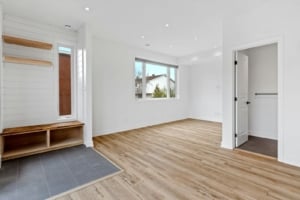

Dear Claire: How Do I Prepare My Home for Listing?
Dear Claire, I’m thinking about selling my home, but I’m overwhelmed by everything that could be cleaned, repaired, updated, or packed away. How do I know where to start? What should I do before listing my home if I want it to sell quickly for the best possible price?
Preparing a home for sale can feel like an enormous project, especially when you have lived there for years. You may see unfinished repairs, crowded closets, landscaping projects, outdated paint colors, and an entire house that eventually needs to be packed up.
 The good news is that you probably do not need to renovate everything or make your home perfect.
The goal is to make thoughtful improvements that help buyers notice your home’s best qualities, understand how the spaces function, and feel confident about its condition. Your preparation should support the home’s value without consuming more time and money than you are likely to recover through the sale.
That balance will look different for every property. A beautifully maintained home may need little more than cleaning, editing, and staging. Another home may benefit from paint, repairs, yardwork, or professional help before it is ready for the market.
This is why I recommend starting with a real estate consultation before you begin making major changes. A real estate agent who understands your local market can help you prioritize the work buyers are likely to notice—and stop you from spending money on projects that may not improve your final result.
Start With a Pre-Listing Walkthrough
One of the most helpful things you can do is invite your Realtor to walk through the property before you start preparing it for sale.
Ideally, this happens several weeks or even a few months before you hope to list. That gives you time to make decisions without trying to complete everything during one frantic weekend.
When I meet with sellers, I look at the house through a buyer’s eyes. We talk about what should stay, what should go, which repairs deserve attention, and how the rooms might be rearranged to photograph and show more effectively.
A pre-listing walkthrough can help answer questions such as:
- Which repairs are worth completing?
- Should any rooms be repainted?
- Does the home need professional staging?
- Which furniture should remain?
- What should be packed or stored?
- Are there maintenance issues that could concern buyers?
- Would a pre-listing inspection be useful?
- How much time will preparation realistically require?
- Which improvements could strengthen the home’s market position?
- Which projects are unlikely to produce a meaningful return?
Sellers sometimes assume they need to complete an expensive kitchen or bathroom remodel before listing. In many cases, I would rather help them improve the presentation of the existing space than watch them choose finishes based on their own taste and hope buyers will pay enough to cover the work.
Start with a plan before starting with a contractor.
Decide What Story You Want the Home to Tell
Every strong listing tells buyers a clear story.
 Your home might offer a beautifully updated kitchen, an unusually large yard, low-maintenance living, flexible work-from-home space, a second living area, proximity to neighborhood shops, or classic Portland architectural details.
Preparation should support that story.
If the backyard is one of the home’s strongest features, clear away unused pots, yard waste, broken furniture, and abandoned gardening supplies. If the kitchen is a major selling point, keep the countertops open and let the finishes speak for themselves. If a small bedroom is best used as an office, stage it so buyers immediately understand its purpose.
You do not want buyers leaving the showing and saying, “That was the house with all the stuff in it.”
You want them to remember it as the house with the gorgeous natural light, the welcoming front porch, the peaceful backyard, or the perfect space for working from home.
Begin With Repairs and Deferred Maintenance
Before focusing on decorative details, address visible maintenance concerns.
A loose doorknob, dripping faucet, missing outlet cover, damaged cabinet hinge, or section of peeling paint may seem minor when you live with it every day. To a buyer, several small issues can create the impression that the property has not been maintained.
Walk through your home and look for:
- Leaking faucets or fixtures
- Running toilets
- Loose handles, railings, and doorknobs
- Doors or windows that do not open properly
- Cracked switch plates or missing outlet covers
- Burned-out lightbulbs
- Damaged caulking
- Peeling or damaged paint
- Stained ceilings
- Broken screens
- Missing trim
- Cracked windows
- Damaged flooring
- Loose gutters or downspouts
- Overdue furnace or HVAC servicing
- Signs of moisture, pests, or rot
This does not mean you need to correct every imperfection in an older home. Portland-area buyers regularly consider homes with aging systems, vintage materials, and future projects. What matters is understanding the condition, addressing practical concerns when appropriate, and developing a strategy for anything that will remain.
If you know about a roof leak, sewer problem, foundation concern, or unpermitted improvement, talk with your Realtor before trying to conceal, patch, or casually explain it. Oregon sellers have disclosure obligations, and known material defects should be handled thoughtfully.
Declutter Without Making the Home Feel Empty
 Decluttering is one of the least expensive ways to improve a home’s presentation, but there is a difference between editing a space and removing everything from it.
Buyers need enough visual breathing room to appreciate the size and features of each room. At the same time, furniture can help them understand how a room functions and whether their belongings are likely to fit.
Start by removing:
- Excess furniture
- Stacks of mail and paperwork
- Collections that dominate a room
- Extra countertop appliances
- Toys that cannot be neatly contained
- Overflowing books and media
- Out-of-season clothing
- Items stored on the floor
- Excessive wall décor
- Anything blocking windows or walkways
- Unfinished projects and craft supplies
You are going to move these things eventually, so preparing to list is a good time to begin packing. Label boxes carefully and move them to secure off-site storage when possible.
Try not to solve a clutter problem by filling the garage, basement, or every closet. Buyers will look in storage areas because they are trying to determine whether the home has enough space for their belongings.
A garage containing neatly stacked, labeled boxes is understandable. A garage packed from floor to ceiling may make buyers wonder whether the house lacks adequate storage.
Depersonalize—but Do Not Remove Every Trace of Life
Your home should feel welcoming without feeling so personal that buyers feel like visitors in someone else’s private space.
You do not necessarily need to remove every family photograph. However, a large gallery of personal pictures, children’s names displayed throughout their rooms, political material, religious collections, diplomas, medication, financial paperwork, and other identifying items can distract buyers and create privacy or security concerns.
Depersonalizing also protects you. Remove or secure:
- Passports and personal records
- Prescription medications
- Jewelry and valuables
- Spare keys
- Bills and financial documents
- Computers containing sensitive information
- Items showing children’s full names
- Firearms and other restricted items
Keep enough artwork, books, textiles, and decorative objects to make the home feel warm. The goal is not to strip away all personality. It is to make room for buyers to imagine their own lives there.
Clean More Thoroughly Than You Think You Need To
A clean home feels better maintained. It also photographs more effectively and allows buyers to focus on the property instead of the work they think they will have to do after moving in.
 A thorough pre-listing cleaning should include areas that may not receive much attention during ordinary housekeeping:
- Baseboards and trim
- Interior and exterior windows
- Window tracks
- Light fixtures
- Ceiling fans
- Cabinet fronts
- Appliance interiors
- Grout and caulking
- Doors and doorframes
- Floors and carpeting
- Closets and shelving
- Vent covers
- Laundry areas
- Garages and utility spaces
- Porches, patios, and decks
Pet hair and odors deserve particular attention. We love our animals, but buyers should not smell or immediately see evidence of them when they walk through the door.
The same is true of smoke, strong air fresheners, cooking odors, mustiness, and heavily scented cleaning products. Covering an odor with another odor usually makes buyers more suspicious. Find and address the source whenever possible.
If you can fit professional cleaning into your budget, this is often money well spent.
Create Brighter, More Inviting Rooms
Portland homes can feel dark during much of the year, so light matters.
Replace burned-out bulbs and make sure fixtures use bulbs with compatible color temperatures. A room with one warm yellow bulb and one bright blue bulb can look strange in photographs and in person.
Then look for anything blocking natural light:
- Heavy or damaged curtains
- Furniture positioned in front of windows
- Overgrown exterior plants
- Dirty glass
- Dark lampshades
- Bulky window air-conditioning units
Open blinds and curtains for photography and showings when privacy allows. Clean skylights if they can be accessed safely. Add lamps to rooms that do not have adequate overhead lighting.
Mirrors can help reflect light, but they should be used intentionally. The biggest improvements usually come from clean windows, open window coverings, well-positioned lamps, and an uncluttered room.
Choose Paint Colors Carefully
 Fresh paint can make a dramatic difference, especially when walls are scuffed, damaged, very dark, or painted in highly specific colors. That does not mean every home should be painted gray.
Many Portland homes contain warm-toned hardwood floors, natural woodwork, brick fireplaces, and historic details. Stark gray paint can fight with those elements and make a room feel colder than it needs to.
Warm whites and gentle neutral shades often work well because they reflect light and coordinate with a range of materials. The right color depends on the flooring, cabinetry, countertops, exposure, and architectural style of the home.
You may love the burgundy dining room or bright turquoise bedroom, but a bold color can become the main thing buyers remember. If a room feels smaller or darker because of its paint color, repainting it may broaden the home’s appeal.
If the existing paint is neutral, clean, and in good condition, leave it alone. Painting should solve a problem, not simply create another item on your list.
Do Not Overlook Curb Appeal
The buyer’s experience begins before they reach the front door.
Walk across the street and look at your home as though you have never seen it before. Better yet, take a photograph. We become accustomed to our own homes, and a picture can reveal things we no longer notice.
 Before listing, consider:
- Mowing and edging the lawn
- Pulling weeds
- Trimming overgrown shrubs
- Removing dead plants
- Adding fresh mulch
- Sweeping paths and porches
- Cleaning gutters
- Washing siding where appropriate
- Removing moss safely
- Cleaning the front door
- Updating worn house numbers
- Replacing an exhausted doormat
- Moving trash and recycling containers
- Removing hoses, empty pots, and yard supplies
- Making sure exterior lights work
You do not need elaborate new landscaping. Healthy, tidy, intentional landscaping generally makes a stronger impression than an expensive collection of plants that requires buyers to imagine the finished result.
In Oregon, drainage is also important. Make sure gutters and downspouts appear functional and that water is directed appropriately away from the structure.
Stage Rooms to Show Their Purpose
Each room should give buyers a quick answer to the question, “How would I use this space?”
An awkward landing might become a small office. A finished basement may work as a family room, guest area, exercise space, or creative studio. An enclosed porch might be styled as a reading area or a place to enjoy the yard throughout the seasons.
This is where furniture becomes useful.
A vacant bedroom may look too small because buyers have no frame of reference. A properly scaled bed and two small nightstands can show that the room functions comfortably. A dining table helps buyers understand how many people the room can accommodate.
The key phrase is “properly scaled.” Oversized furniture can make a generous room feel crowded. Too many small pieces can make it feel chaotic.
Professional staging may be particularly valuable when:
- The home will be vacant
- The existing furnishings overwhelm the rooms
- The floor plan is difficult to understand
- The home is competing with highly polished listings
- The property has an unusual layout
- The likely buyer expects a more elevated presentation
Staging does not need to disguise the property or make it look like a furniture showroom. Its purpose is to help buyers understand the home.
Prepare Kitchens and Bathrooms With Extra Care
 Kitchens and bathrooms receive a great deal of attention from buyers. Fortunately, they can often be improved without a complete remodel.
In the kitchen, clear most countertops. The coffee maker may stay if it is clean and attractive, but the toaster, bread maker, drying rack, supplements, paperwork, and assorted bottles probably should not.
Remove magnets, invitations, photographs, and paperwork from the refrigerator. Clean the appliances, sink, backsplash, cabinet fronts, and under-cabinet areas.
In bathrooms:
- Clear everyday toiletries
- Store medications securely
- Replace worn towels
- Clean mirrors and glass
- Address stained or damaged caulking
- Close toilet lids
- Remove scales, hampers, and cleaning products
- Use simple, coordinated linens
Do not fill every surface with decorative objects. Buyers want to see clean, functional spaces with enough storage for their own routines.
Get Ready for Professional Photography
Most buyers will first encounter your home online. That makes photography one of the most important parts of the listing.
A camera sees a room differently than the human eye. Items that feel harmless in person can look distracting in a photograph. Before the photographer arrives:
- Clear surfaces
- Hide cords and remote controls
- Remove pet beds, bowls, crates, and litter boxes
- Put away garbage cans
- Straighten bedding and pillows
- Remove bathmats and toilet brushes
- Open appropriate window coverings
- Turn on every working light
- Move vehicles out of the driveway
- Remove hoses and gardening equipment
- Put away refrigerator magnets and paperwork
- Check mirrors for unwanted reflections
- Remove anything you do not want published online
The home should be completely ready before photography. You do not want to make major visual changes afterward and have buyers arrive expecting a different property.
Make a Plan for Showings
 Once your home is listed, it needs to remain reasonably close to showing condition. That can be challenging, especially when children, pets, work schedules, and ordinary life are involved. Create a simple daily routine:
- Make the beds
- Put away dishes
- Wipe the counters
- Open blinds or curtains
- Turn on lights
- Empty small garbage cans
- Put laundry away
- Secure medications and valuables
- Remove pet waste from the yard
- Take pets with you when possible
Keep a basket available for last-minute items that can be quickly gathered and taken with you. Decide in advance where pets will go and how much notice you need for appointments.
Try to make showing access as easy as reasonably possible. Buyers have complicated schedules, and declining too many appointments may reduce your opportunities. At the same time, your Realtor should help establish showing instructions that are workable and protect your privacy.
Spend Money Where It Will Matter Most
Not every improvement creates an equal return. Before spending money, ask:
- Will this problem concern a meaningful number of buyers?
- Will fixing it improve presentation, financing, insurability, or confidence?
- Is the likely benefit greater than the cost and delay?
- Would pricing appropriately be a better strategy?
- Does the improvement fit the expectations of this home and neighborhood?
A seller may receive more benefit from cleaning, paint, landscaping, lighting, and a few repairs than from an expensive renovation completed immediately before listing.
You are not preparing the house for your own next ten years. You are preparing it to compete with the homes buyers can choose from today.
My Advice
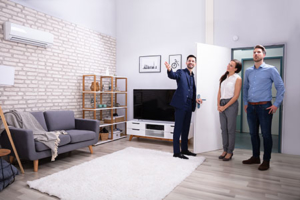 The best way to prepare your home for listing is to work in the right order:
- Meet with your Realtor.
- Establish a likely timeline and budget.
- Identify important repairs and maintenance concerns.
- Declutter, pack, and secure personal items.
- Clean the home thoroughly.
- Improve lighting and complete strategic painting.
- Refresh the landscaping and entrance.
- Arrange or stage rooms to show their purpose.
- Prepare for professional photography.
- Create a manageable plan for showings.
You do not need to navigate this alone, and you do not need to guess which projects will matter.
When I consult with sellers, I help them look at the home objectively. I will tell you what I think should be removed, what should remain, how furniture might be rearranged, and where your preparation budget is most likely to make a difference.
Sometimes that means recommending repairs or professional staging. Sometimes it means telling a seller to stop working because the home is ready.
The objective is not perfection. It is to present a clean, cared-for, inviting home with a clear story and a pricing strategy that makes sense for the market.
Final Thoughts
Preparing your home for sale is partly about appearance, but it is also about buyer confidence.
A well-prepared home allows buyers to focus on the natural light, useful floor plan, beautiful woodwork, inviting yard, and possibilities for their future. They are not distracted by clutter, visible maintenance issues, or uncertainty about how the rooms function.
Thoughtful preparation can improve your photography, strengthen your first impression, reduce objections, and help your home compete more effectively. It cannot guarantee a particular sale price or timeline, but it puts you in a much stronger position when the listing goes live.
If you are thinking about selling a home in Portland or the surrounding area, I am happy to walk through it with you and help develop a realistic preparation plan. Even if you are months away from listing, starting the conversation early can help you spend your time and money more strategically.
 About Claire Paris
Claire Paris is the Owner and Principal Broker of Paris Group Realty, LLC. She has been practicing real estate since 2004 and is licensed in both Oregon and Washington.
If you have a real estate question you would like Claire to answer in a future Dear Claire post, we would love to hear it. If you are thinking about buying, selling, or investing in real estate, get in touch with Paris Group Realty, LLC. Our team would love to help you take the next step.
Looking for more real estate advice? Subscribe to the Paris Group Realty, LLC YouTube channel for videos about buying and selling homes, Portland neighborhoods, home maintenance, financing, investment properties, market updates, and other common real estate questions.